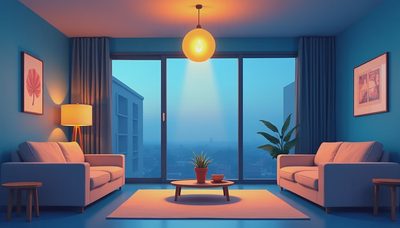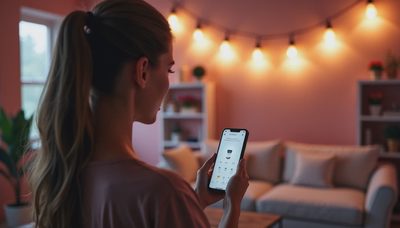
A home hub smart home setup can make lighting easier to live with, but the hub itself will not fix a poorly lit room. Good results begin with the same principles I use in residential lighting design: layer ambient, task, and accent light, then use connected controls to make those layers simple to operate. The technology should disappear into the routine.
If you are renovating, think about the control system before drywall goes up. A smart hub can coordinate ceiling fixtures, wall sconces, lamps, under-cabinet tape, shades, and sensors. However, compatibility, wiring, lamp quality, and placement still determine whether the finished room feels calm or cluttered.
What a smart home hub actually does
A hub is the translator and traffic manager between devices. Depending on the platform, it can connect smart bulbs, switches, dimmers, thermostats, locks, shades, and motion sensors so they respond to one app, voice command, schedule, or automation. Some systems process commands locally, while others rely more heavily on cloud services.
Popular ecosystems include Apple Home, Google Home, Amazon Alexa, Samsung SmartThings, and dedicated platforms such as Control4 or Lutron. These are not interchangeable in every detail. A Philips Hue bulb may work well in one ecosystem, while a Lutron Caseta dimmer may be the better choice when you want dependable wall control and conventional bulbs.
For lighting, the important question is not which logo is most familiar. Ask what happens when the internet is down, whether the system supports your dimmers, and whether guests can operate the room without learning your entire app. A good home hub smart home plan preserves the wall switch as a dependable fallback.

Start with layers, not gadgets
Ambient light establishes general brightness. In a living room, that might come from recessed fixtures, a central pendant, or indirect light washing a ceiling. Task light supports an activity: a reading lamp beside a chair, a linear fixture under kitchen cabinets, or a bright mirror light in a bathroom. Accent light adds depth by highlighting artwork, shelves, a textured wall, or architectural details.
The common mistake is installing many identical downlights and expecting them to do everything. Downlights create pools on the floor and can produce glare on glossy counters. They also leave walls and vertical surfaces visually dark. A room often feels brighter when some light reaches the walls, even if the measured floor illumination is lower.
Use the hub to group layers by purpose. A living room scene called “Evening” might set ceiling fixtures to 30 percent, turn on a floor lamp at 60 percent, and bring an art light to 45 percent. “Movie” could reduce the front of the room while leaving a low pathway light near the hall. The automation is useful because the design has already been considered.
Choose the right control hardware
Smart bulbs are flexible and relatively easy to install, especially in table lamps and decorative fixtures. Their weakness is the physical wall switch: someone can turn off the circuit and make the bulb unreachable. They also require careful matching of bulb shape, brightness, color temperature, and dimming behavior.
Smart switches and dimmers keep ordinary fixtures usable and are usually better for kitchens, hallways, and bedrooms. They require a compatible electrical box and, in some cases, a neutral wire. Older homes can present surprises, so have a qualified electrician inspect the circuit rather than treating an online wiring diagram as a complete diagnosis.
For a larger renovation, consider a dedicated lighting control system. Lutron is widely used for reliable dimming and polished wall stations, while Control4 and similar systems can coordinate lighting with audio, shades, security, and climate. A basic connected lighting project may cost a few hundred dollars per room; a professionally programmed whole-home installation can reach several thousand dollars or more because it includes hardware, wiring, commissioning, and support.
A practical home hub smart home approach often mixes products. Use robust in-wall dimmers for primary lighting, smart bulbs only where color or fixture flexibility matters, and sensors where hands-free control genuinely improves the room.
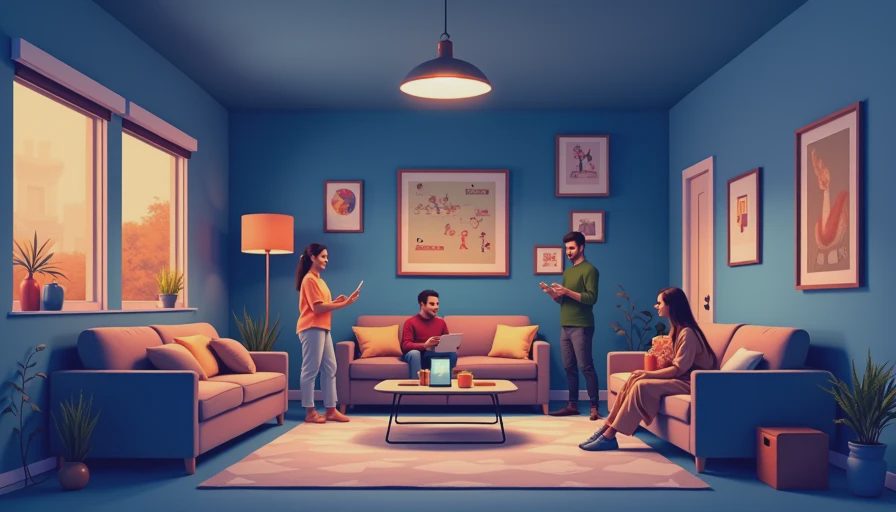
Color temperature and dimming matter
Color temperature describes whether white light appears warm or cool. A 2700K lamp has a familiar warm, residential character. A 3000K source looks cleaner while remaining comfortable in many kitchens and bathrooms. Higher color temperatures can feel crisp, but they may look stark in a living room at night.
Rather than choosing one temperature for the entire house, match the use of the space. Warm light often suits bedrooms, dining rooms, and evening scenes. A kitchen may benefit from 3000K task lighting, particularly when the counters are pale or the room receives limited daylight. The key is consistency within a view; a blue-white recessed light beside a warm amber lamp will look accidental.
Dimming should also change the mood. Some LED products shift warmer as they dim, while others remain the same color. Look for high color rendering, ideally a CRI of 90 or better where paint, wood, food, and artwork need to look natural. Do not assume a smart label guarantees good light quality.
Plan scenes that people will actually use
Start with four or five scenes instead of creating an automation for every possible moment. “Morning” can bring kitchen and bathroom lighting up gradually. “Work” can increase task light at a desk. “Dinner” can lower ambient light and emphasize the table. “Night” can leave hall and stair lighting low enough to guide movement without fully waking anyone.
Motion sensors are valuable in laundry rooms, closets, pantries, and corridors. They are less predictable in a living room if the sensor cannot see a seated person. Time delays matter too: a 30-second timeout is frustrating in a laundry area, while a five-minute delay may waste energy in a hallway.
Voice control is convenient for scenes, but it should supplement physical controls. Visitors, children, and anyone carrying groceries should be able to press a button and get light immediately. In a well-designed home hub smart home installation, the easiest control is available at the moment it is needed.
A renovation checklist for connected lighting
Before buying equipment, draw each room and mark furniture, work surfaces, doors, windows, and artwork. Identify where light is needed rather than where a ceiling box happens to be convenient. Then list each fixture, its bulb or LED specification, its control zone, and its intended scene.
Confirm electrical requirements before ordering. Check dimmer load ratings, minimum loads for LED fixtures, three-way switching needs, wireless range, and platform compatibility. Reserve power and network locations for the hub, and label circuits clearly at the panel. If you are using recessed fixtures, specify trim color, beam spread, glare control, and color temperature instead of accepting whatever the contractor has in stock.
Finally, commission the system after furniture and artwork arrive. Aim fixtures, adjust dimming levels, rename controls in plain language, and test every scene from wall stations and the app. A home hub smart home system becomes genuinely successful when a guest can walk in, press one button, and understand the room without an explanation.
The best connected lighting is not the most complicated. It is a quiet structure behind comfortable rooms: balanced layers, flattering sources, sensible controls, and scenes built around real habits. Design those fundamentals first, then let the technology remove friction rather than add another device to manage.