
Fixtures Decoded
Demystifying recessed housings, pendants, sconces, and track systems. Practical guides on placement, specs, and what actually matters.
11 articles

What Does A19 Mean on a Light Bulb? A Homeowner’s Guide
Learn what does A19 mean on a light bulb: its shape, size, base, brightness, and...
BR30 vs PAR38 bulb: Which One Should You Use?
BR30 vs PAR38 bulb explained: compare beam angle, brightness, size, trim fit, an...
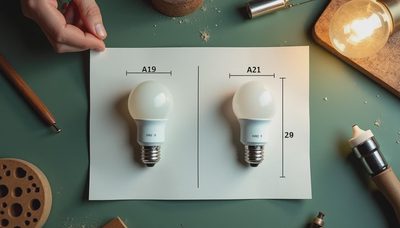
A19 vs A21 light bulb: Which Shape and Size Should You Choose?
A19 vs A21 light bulb explained: compare size, brightness, fit, and appearance s...
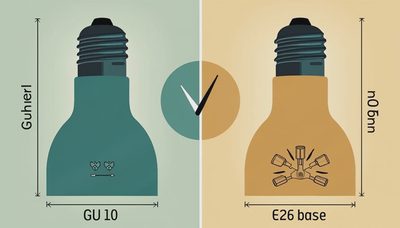
GU10 vs E26 base: How to Choose the Right Light Bulb
GU10 vs E26 base explained: compare fit, voltage, beam angle, brightness, and ro...

Candelabra Base vs Standard Base: How to Choose the Right Bulb
Candelabra base vs standard base explained: learn socket sizes, bulb fit, fixtur...
Light Bulb Base Types Chart: Find the Right Fit for Every Fixture
Use this light bulb base types chart to identify screw and pin fittings, avoid m...

E12 vs E26 light bulb base: How to Choose the Right Fit
E12 vs E26 light bulb base explained: learn the size difference, fixture fit, sa...
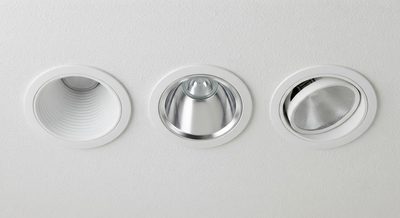
Recessed Lights Are Not All the Same
Most homeowners assume a recessed light is a recessed light. It's not. The housi...
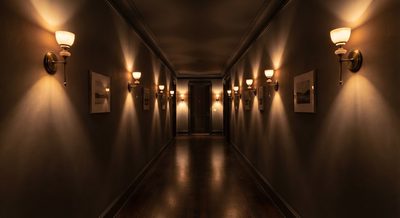
Wall Sconces Are the Most Underused Tool in Lighting Design
Wall sconces might be the most misunderstood fixture in residential lighting. Mo...
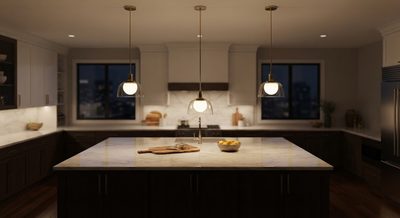
Pendant Height: The Formula Nobody Tells You
You've probably heard the rule: hang pendants 30 to 36 inches above the counter....
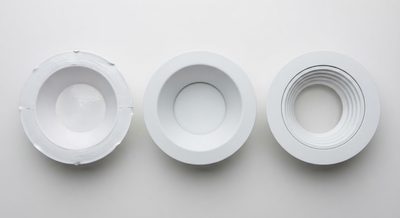
Recessed Trim Showdown: What's Actually Different at Different Price Points
Recessed trims range from eight dollars to over eighty dollars, and on a showroo...