Choosing between an A19 and A21 bulb looks simple until you hold both in your hand. The difference is only a fraction of an inch, but that change affects brightness, fixture fit, visual scale, and how comfortably the bulb sits in a shade. In this guide to the A19 vs A21 light bulb question, I will explain what the letters and numbers mean, where each shape works best, and how to avoid buying a bulb that technically fits but looks wrong.
What the A19 and A21 labels mean
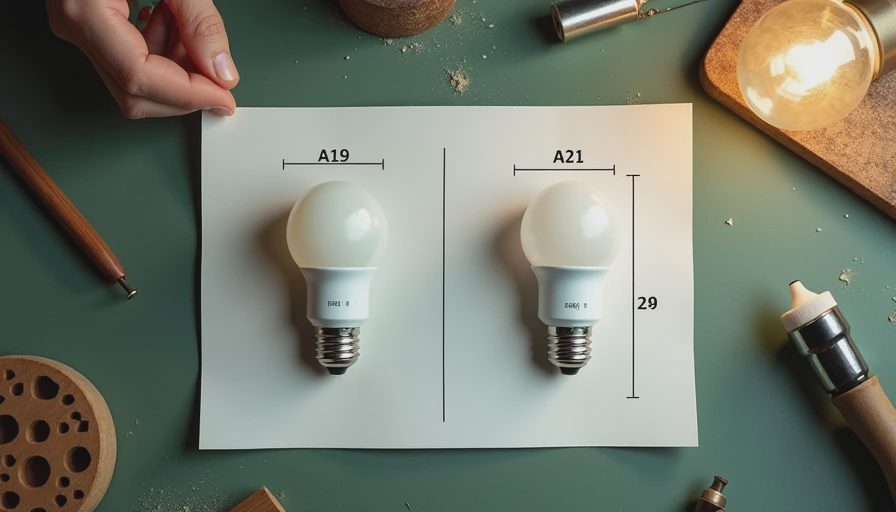
The letter A describes the familiar pear-shaped bulb profile used in many table lamps, floor lamps, ceiling fixtures, and exposed-bulb pendants. The number refers to the bulb's widest diameter, measured in eighths of an inch. That makes an A19 bulb 19/8 inches wide, or about 2.375 inches. An A21 bulb is 21/8 inches wide, or about 2.625 inches.
That quarter-inch difference in diameter sounds minor, but it is visible when bulbs are grouped together or placed inside a compact shade. A21 bulbs are also generally a little longer, although exact length depends on the manufacturer and technology. Both sizes commonly use a standard medium E26 base in the United States, so they often screw into the same socket.
The key point in the A19 vs A21 light bulb comparison is that base compatibility does not guarantee visual compatibility. A bulb can fit the socket while touching the shade, extending beyond the fixture, or crowding a decorative glass globe.
A19 vs A21 light bulb: size, brightness, and fit
An A19 is the safer general-purpose choice. Its smaller profile fits most enclosed fixtures and shades, including lamps with narrow necks or openings. If you are replacing an old household bulb without changing the fixture, A19 is usually the starting point. It leaves more breathing room around the bulb and is less likely to press against a fabric shade.
An A21 gives you more surface area for LEDs and, in many product lines, supports higher lumen output. Lumens measure visible light; watts measure energy use. A 1,100-lumen A21 LED can be much brighter than an 800-lumen A19, but the shape itself does not automatically make a bulb brighter. Always compare the lumen rating on the package.
For the A19 vs A21 light bulb decision, look at the fixture opening first. An A21 works well in a broad pendant, a large floor lamp, or an open flush mount. An A19 is better for a bedside lamp, a small desk lamp, or a fixture where the shade is close to the socket. The manufacturer's stated dimensions matter more than the name alone.
How the bulb shape changes a room
Bulb size affects more than clearance. It also changes the visual weight of the fixture. In a clear-glass pendant, an A21 can feel deliberate and architectural, especially when the socket, filament, and glass are all visible. An A19 creates a lighter, more restrained silhouette and may be better above a small dining table or in a narrow hallway.
Consider a living room with two matching floor lamps. If the shades are wide and the lamps sit beside a substantial sofa, A21 bulbs can fill the shade more convincingly and deliver useful ambient light. In a reading lamp with a tapered shade, an A19 keeps the top of the bulb from crowding the fabric and directs light through the shade more evenly.
This is where the A19 vs A21 light bulb choice becomes a design decision rather than a hardware decision. Ask whether you want the bulb hidden, softly revealed, or treated as part of the fixture. A clear globe pendant usually benefits from a bulb selected for its appearance, while an opaque drum shade mainly needs the correct dimensions and lumen output.
Choosing color temperature and brightness
Once the size is right, choose the quality of light. For bedrooms, living rooms, and dining areas, 2700K to 3000K usually creates a warm, comfortable atmosphere. A 2700K bulb resembles the golden tone many people associate with incandescent light. A 3000K option feels cleaner while remaining welcoming. For a kitchen work area, 3000K to 3500K can provide a crisper appearance without making the room feel clinical.
The A19 vs A21 light bulb comparison does not tell you whether the light is warm or cool. Size and color temperature are separate specifications. You can find both A19 and A21 bulbs in warm white, daylight, dimmable, smart, clear, frosted, and high-CRI versions.
CRI, or color rendering index, describes how naturally colors appear under the light. For kitchens, bathrooms, art, and clothing areas, a CRI of 90 or higher is a useful target. A bulb with a lower CRI can still be bright, but reds, wood tones, and skin tones may look flatter. Brightness solves visibility; good color rendering solves appearance.

Where each size works best
Use A19 bulbs in most enclosed ceiling fixtures, compact wall sconces, small lamps, and fixtures with narrow shades. They are also a practical choice when you are unsure about clearance. An A19 with 800 to 1,000 lumens covers many everyday room applications, depending on ceiling height, shade material, and the number of bulbs.
Use A21 bulbs in larger shades, open pendants, broad vanity fixtures, and rooms that need higher output from each socket. A21 is especially useful where a fixture accepts a high-lumen LED but has enough space around the lamp for heat management. An oversized bulb in a tight enclosure can look awkward and, if the product is not rated for enclosed fixtures, can shorten its useful life.
In a kitchen with three exposed sockets, three A21 bulbs can create a stronger visual rhythm than three smaller lamps. In a hallway sconce with a narrow glass cover, the same choice could make the fixture appear crowded. The right answer depends on the fixture's interior dimensions, not a universal preference in the A19 vs A21 light bulb debate.
A simple buying checklist
Before ordering, measure the fixture's shade opening and the available length from the socket to the glass or fabric. Then confirm the base, because E26 and E12 bases are not interchangeable. Check the fixture's maximum wattage, but remember that LED packages also list an incandescent-equivalent wattage that is not the lamp's actual energy use.
Next, select lumens based on the job. A bedside lamp might need 450 to 800 lumens, while a kitchen ceiling fixture may need substantially more across several bulbs. Choose dimmable bulbs only when both the bulbs and the dimmer are compatible. For smart bulbs, verify that the fixture remains powered and that the bulb's length will not interfere with the shade.
Finally, compare the shape in the product diagram. Retail packaging can make different bulbs appear similar, while a dimension drawing reveals the real length and diameter. This step prevents the common A19 vs A21 light bulb mistake: choosing the brighter package without checking whether the physical lamp belongs in the fixture.
The practical answer for most homes
If you need a dependable replacement for a conventional lamp or enclosed fixture, start with an A19. If you have an open or generously sized fixture and want more light or a stronger visual presence, consider an A21. Neither size is inherently better. The best choice balances clearance, lumen output, color temperature, CRI, dimming needs, and the scale of the fixture.
When I review a residential lighting plan, I treat the bulb as one part of the whole composition. A well-sized A19 can make a small lamp disappear into a room, while a carefully chosen A21 can give a simple pendant enough presence to feel intentional. Compare the actual measurements, then choose the light quality that supports the room. That approach makes the A19 vs A21 light bulb decision straightforward instead of guesswork.