A light bulb can have the correct shape, brightness, and color temperature yet still be completely wrong for your fixture. The missing detail is often the base, the part that connects the bulb to the socket. This light bulb base types chart makes that detail easier to understand so you can buy replacements with confidence instead of standing in the hardware aisle comparing tiny letters.
Base identification matters because sockets are designed for a specific diameter, contact arrangement, and electrical connection. A bulb that seems close may not screw in, may sit loosely, or may fail to make a safe connection. Before replacing a lamp, turn it off, let the old bulb cool, and examine both the bulb markings and the socket. Never force a bulb into place.
How to read bulb base letters and numbers
Most bulb bases use a letter followed by a number. The letter describes the base style, while the number usually indicates the diameter in millimeters. For example, E26 means an Edison screw base measuring approximately 26 millimeters across. E12 is a smaller candelabra-style screw base, common in chandeliers and decorative lamps.
The letter E refers to the Edison screw pattern. A G base generally identifies a bi-pin or pin-style connection, although the complete code matters because pin spacing and pin shape differ. GU bases often include a twist-lock feature, while BA bases use bayonet contacts. In a light bulb base types chart, these letters are not decoration; they tell you how the bulb physically and electrically connects.
Numbers can also describe spacing between pins rather than overall width. A G4 bulb, for instance, has pins spaced four millimeters apart. A G9 capsule has looped pins designed for a different socket. That is why two small bulbs that look nearly identical can be incompatible.
Common screw bases in American homes
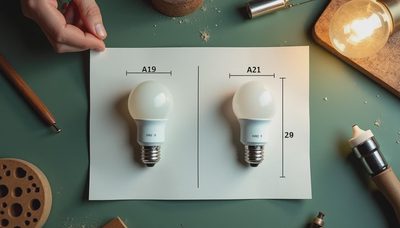
The E26 medium base is the standard choice for many table lamps, floor lamps, ceiling fixtures, bathroom vanities, and outdoor lanterns in the United States. It is the base used by many familiar A19 LED bulbs. E26 and E27 bulbs are closely related, but fixtures should follow the socket marking and manufacturer guidance, especially in equipment with tight tolerances.
The E12 candelabra base is narrower and appears in chandeliers, wall sconces, night-lights, and small decorative fixtures. Bulbs with this base often use B10, B11, or flame-shaped envelopes. A homeowner replacing a chandelier bulb should confirm both the E12 base and the maximum wattage listed on the fixture.
The E17 intermediate base sits between E12 and E26. It is found in some appliance bulbs, ceiling fans, and specialty fixtures. Appliance bulbs also need the right temperature rating; a standard household LED may not be suitable inside an oven or another high-heat enclosure.
The E39 mogul base is much larger and is used in some high-output commercial, industrial, and outdoor fixtures. It is not interchangeable with E26. If a socket looks dramatically wider than a typical household lamp socket, measure it rather than guessing.
Pin, twist-lock, and bayonet bases
Pin bases are common in recessed lighting, under-cabinet systems, track fixtures, landscape lighting, and compact decorative lamps. GU10 bulbs have two short pins that insert and twist into place. The GU10 connection is common in line-voltage spotlights, so do not substitute a G10 or MR16 bulb simply because the glass shape looks similar.
G4 bulbs use two thin pins and are often found in low-voltage cabinet lights and small accent fixtures. G5.3 bases are associated with many MR16 lamps, but the fixture may require a transformer that converts household voltage to a lower voltage. Replacing the bulb without considering that transformer can create flicker or premature failure.
G9 bulbs have looped contacts rather than straight pins. They are frequently used in compact sconces and contemporary pendants. A bayonet base, such as BA15s or BA15d, locks into a socket with a push-and-twist motion. The final letter can matter: one contact and two contacts are different arrangements, not interchangeable options.

Light bulb base types chart for quick identification
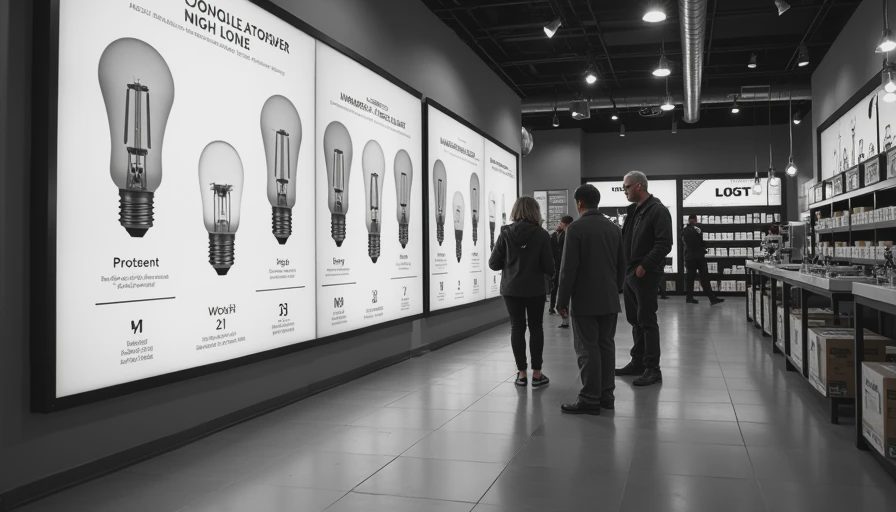
Use this light bulb base types chart as a starting point, then confirm the markings on your fixture or old bulb.
E12: small candelabra screw base for chandeliers, sconces, and decorative lamps.
E17: intermediate screw base for selected appliance, fan, and specialty fixtures.
E26: standard medium screw base for most household lamps and ceiling fixtures.
E39: large mogul screw base for certain high-output commercial and outdoor lights.
G4: two thin pins spaced four millimeters apart, commonly used in low-voltage accent lighting.
G5.3: two-pin base often used with MR16 lamps and compatible low-voltage transformers.
G9: looped pin contacts for small decorative fixtures and compact sconces.
GU10: twist-lock pins for many line-voltage spotlights and recessed fixtures.
BA15s: bayonet base with one electrical contact.
BA15d: bayonet base with two electrical contacts.
The chart helps narrow the choice, but it does not replace checking voltage, wattage, dimmer compatibility, or enclosure ratings. Base fit is only one part of a safe lighting decision.
A practical method for identifying an unknown base
Start by photographing the old bulb and its printed markings before removing it. Look for codes such as E26, E12, GU10, or G9 near the base. If the writing is worn away, compare the base with a ruler. Measure a screw base across its widest point, and measure the distance between pins from center to center.
Next, inspect the fixture label. Many sockets list the accepted base, maximum wattage, and voltage. A recessed housing may also specify whether it is rated for an enclosed LED bulb. If the fixture is dimmable, select a bulb labeled dimmable and use a compatible LED dimmer; otherwise, buzzing, flickering, or a limited dimming range can result.
Finally, compare the bulb shape with the room’s lighting purpose. A base that fits a table lamp does not automatically make the bulb a good choice. An A19 bulb spreads light broadly, while a narrow reflector directs light toward a countertop or artwork. The right base gets the bulb installed; the right distribution makes the room feel balanced.
Avoiding the most common replacement mistakes
The most frequent error is matching the bulb shape while ignoring the base. A decorative G-style bulb may look perfect in a chandelier, but the socket could require E12 screw threads. Another mistake is confusing voltage. A low-voltage G4 or G5.3 lamp should not be treated like a direct replacement for a 120-volt GU10 lamp.
Watch for enclosed-fixture restrictions, especially with older recessed cans and exterior lanterns. Some LED bulbs need airflow to manage heat, while others are specifically rated for enclosed locations. Also check clearance around the bulb. A replacement that fits the socket may be too tall, too wide, or too hot for the housing.
When in doubt, bring the old bulb to a lighting showroom or hardware store and ask for a direct base match. Take a photo of the fixture label as well. A few minutes of identification can prevent a return trip, a damaged socket, or a room that still feels poorly lit after the replacement.
Build a better lighting plan after the base is solved
Once the connection is correct, look at the whole room. General lighting provides comfortable overall visibility, task lighting helps with activities such as cooking or reading, and accent lighting adds depth. A living room with only one bright ceiling fixture often feels flat because every surface receives similar illumination. Adding a floor lamp with an E26 LED, a reading light, or a small wall wash can create useful layers.
Choose color temperature based on the room and the mood you want. Warm 2700K light usually feels relaxed in bedrooms and living rooms, while 3000K can provide a cleaner appearance in kitchens and bathrooms without looking clinical. For spaces where you want colors to remain believable, look for a high color rendering index, commonly listed as CRI 90 or higher.
Use the light bulb base types chart whenever you begin a replacement, renovation, or fixture upgrade. Identify the connection first, confirm electrical requirements second, and then choose brightness, beam spread, color temperature, and dimming behavior. That sequence keeps the practical details under control while giving you the freedom to design a room that feels intentional.