A 3 light hanging fixture can fix a room that feels either too bare or too busy. One pendant over an island often looks undersized, while five small drops can turn the ceiling into visual clutter. Three points of light give you spread, rhythm, and better shadow control, which is why I reach for this setup in kitchens, breakfast nooks, and narrow dining areas. The right version is not about buying the prettiest glass. It is about matching the fixture to the room height, the surface length, and the kind of light you actually need after dark.
When a 3 light hanging fixture makes sense
I like this layout when a room needs a clear center without a giant statement piece. A small island can look weak under one oversized pendant, but a trio of smaller drops gives the eye something to read across the length of the counter. That matters because light is not just brightness. It is distribution. When the sources are spaced well, the prep surface feels even, faces are easier to see, and the room stops looking like it has one hot spot in the middle.
A 3 light hanging fixture is also useful when the room is narrow enough that a chandelier would feel too formal, but the space still needs more presence than a single dome can provide. I see that in galley kitchens, compact dining rooms, and breakfast bars that run parallel to a wall of cabinets. It is less helpful in a very large open plan where the ceiling wants a broader pattern or where recessed lighting is already doing most of the work.
For a typical island, I start by looking at the usable length, not just the cabinet run. A six-foot island can usually handle three smaller shades or globes with comfortable spacing, while a four-foot island needs more restraint so the ends do not feel crowded. That is where proportion matters more than brand name. A good fixture should look like it belongs to the architecture, not like it was dropped in from another house.
Get the size and drop height right
The easiest way to get this wrong is to hang the fixture too low because it looks dramatic in the showroom. Over a countertop or island, the bottom of the shades usually lands about 30 to 36 inches above the surface. Over a dining table, that same range is a solid starting point, though taller ceilings can push it a little higher. If the fixture blocks sightlines across the room, it is too low. If it floats so high that it loses intimacy, it is too high.
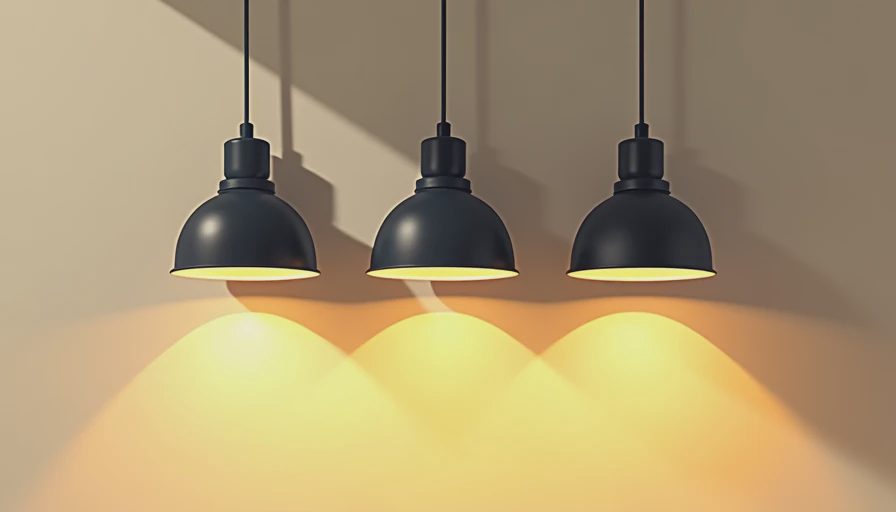
The other sizing mistake is choosing shades that are too large for the room depth. A 3 light hanging fixture should feel balanced from the main seating point and from the doorway. For a longer island, I prefer fixtures with enough separation between the drops so the light pools overlap without creating a dark gap in the middle. If the ceiling is eight feet, keep the profile tighter. If it is nine or ten feet, you have more room to let the drops breathe.
One quick test I use in client homes is the chair test. Sit where people will actually sit, then look at the sightline to the fixture. You want the light source to be visible enough to feel intentional, but not so dominant that it takes over the room. That small check tells you more than a product photo ever will.
Bulbs, finish, and glass change the feel more than people expect
The bulb choice matters as much as the shape. For most homes, warm LEDs in the 2700K to 3000K range keep the room comfortable without making it look yellow or sleepy. If the kitchen already gets strong daylight, 3000K often feels clean and usable. If the room is a little darker and you want it to feel softer at night, 2700K is usually the better move. I also like LEDs with a CRI of 90 or higher because food, paint, and wood finishes look more natural under them.
Glass can make the difference between elegant and annoying. Clear glass looks sharp, but it also exposes the bulb, so you need a source that is attractive and not too harsh. Frosted or opal glass hides the lamp and spreads light more evenly, which is useful if the fixture hangs near eye level. Ribbed or seeded glass can add texture, but it should not be so busy that the room starts feeling fussy. The cleaner the architecture, the simpler the glass usually should be.
Finish is another place where homeowners overthink the catalog and underthink the room. Satin brass warms up white kitchens, matte black gives crisp contrast, and brushed nickel disappears more quietly into cooler palettes. Pick the finish that helps the fixture support the room instead of shouting over it. If your cabinet hardware and faucet are already strong visual elements, the lighting should probably stay quieter.
Where this fixture works best in a real house
The best places are the ones where light needs to travel across a line. Kitchen islands are the obvious candidate, but I also like this approach over a rectangular breakfast table, in a long hallway with a focal bench or console, and over a reading nook that needs a bit more structure than a single lamp can give. In each case, the three drops help define the zone without overfilling it.
I worked on a kitchen in Houston where the owner had installed one oversized glass pendant over a 7-foot island. It looked fine in daylight, but at night the prep zone fell into shadow near the sink and the far end of the counter felt detached. We replaced it with a 3 light hanging fixture on a dimmer and dropped the bulbs into a warmer color temperature. The room immediately felt longer, calmer, and easier to use. Nothing else changed. That is the power of getting distribution right.
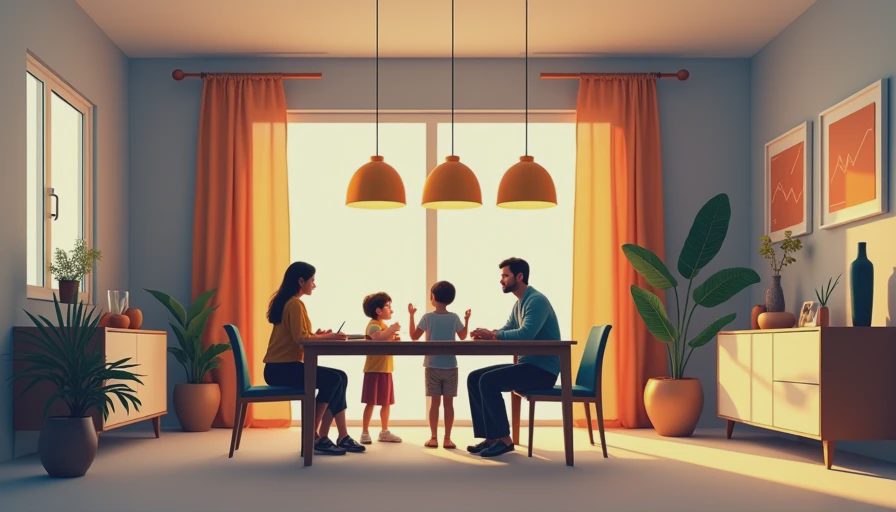
A layout like this also gives you flexibility when the room has mixed uses. You can dim it for dinner, raise it for homework or chopping vegetables, and keep the overall feel consistent with the rest of the house. That is harder to do with a single decorative pendant that only looks good from one angle.
A simple buying check before you order
Before you click buy, confirm four things: the fixture is dimmable with your switch, the drop length can be adjusted for your ceiling, the canopy will cover the electrical box cleanly, and the bulbs can be replaced without dismantling the whole thing. Those details sound boring, but they are the difference between a polished install and a headache after delivery day. If the ceiling is sloped, look for a compatible adapter or a fixture designed for it.
I also check weight and support. A heavier decorative piece may need more care during installation than a lightweight one, especially in older homes where the electrical box was never meant to carry a substantial fixture. If you are remodeling, ask the electrician to confirm the box and mounting method before the drywall is closed. That is a cheap conversation compared with patching a mistake later.
Price is usually where people get stuck. A decent retail fixture can start around the low hundreds, while better-looking designer versions often land in the $300 to $1,200 range depending on material and finish. You do not have to spend at the top end to get a good result, but very cheap fixtures often show their cost in thin metal, awkward proportions, or bulbs that glare right into your eyes.
Final take
If you want a room to feel deliberate instead of improvised, a 3 light hanging fixture is often the cleanest answer. It gives you enough presence to define the space, enough spread to light a surface properly, and enough visual rhythm to make the room feel finished. Start with the room dimensions, choose warm dimmable bulbs, and pay attention to height before style. Do that, and the fixture will support the architecture instead of fighting it.