When I design outdoor lighting for a home, I start with the walking path, the front door, and the view from inside the house. The goal is not to flood the yard. It is to make a property readable after sunset. Good outdoor lighting helps a guest find the step, lets a driver pull into the driveway without squinting, and gives the house a shape instead of a glare bomb. If you have ever stood in a front yard that looked flat and harsh at night, the fix usually comes down to placement, shielding, and color temperature.
Start with the job outdoor lighting needs to do
The first mistake is shopping fixture by fixture before deciding what the light should accomplish. For most homes, the jobs are simple: guide movement, reveal edges, and add a little visual weight to the architecture. A front walk needs enough light for footing. A porch needs enough light for faces and a lock. A facade needs grazing or uplight only where it adds depth, not where it washes over every window.
This is where good outdoor lighting starts to feel expensive even when it is not. A 2700K LED usually reads warmer and more comfortable than a blue-white lamp, especially against brick, stone, and wood siding. If you go too cool, the house can start to feel like a parking lot. If you go too bright, the eye adapts to the lamps instead of the scene, and everything else disappears. I usually prefer a lower amount of light with better aiming over a high-lumen flood that blows out the front elevation.
For a typical suburban entry, a front door, a garage side door, and a short walk can often be covered with a modest set of fixtures and a transformer in the $500 to $1,500 range for materials, with labor pushing the total higher. Bigger properties with long drives, stone walls, and mature trees can land several thousand dollars above that. The math gets driven by wire runs, fixture quality, and how many circuits you need to separate tasks cleanly.
Choose fixtures by task, not by catalog photo
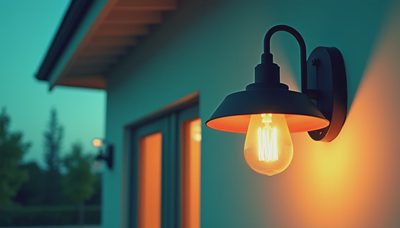
Path lights are for wayfinding, not decoration. I like them when the goal is to show the edge of a walk or soften a planting bed. If they are too tall, they become miniature streetlights. Step lights are better for stairs because they put light on the tread itself, which is where the foot lands. Wall lights work well at the front door, but the beam should be controlled so you see the face of the person on the porch without staring into the source.
Uplights are where many outdoor lighting projects go wrong. One or two well-aimed fixtures can pick out a tree trunk or a textured wall. Five fixtures aimed randomly at shrubs just create noise. On a two-story home, I often use less uplight than the homeowner expects and more low-level light near circulation zones. That combination feels calm because the eye gets landmarks instead of a wash of competing points.
A practical rule: if a fixture is visible from the main approach, it should look intentional in daylight and almost disappear at night. That means good shielding, finish colors that do not scream for attention, and beam spreads that match the job. Landscape brands like Kichler, RAB, and Volt all make useful low-voltage options, but the catalog matters less than the photometrics. Ask what the beam angle is, where the glare shield sits, and whether the fixture is rated for wet locations if it will live in rain spray or exposed soil.
Power, controls, and the part people forget
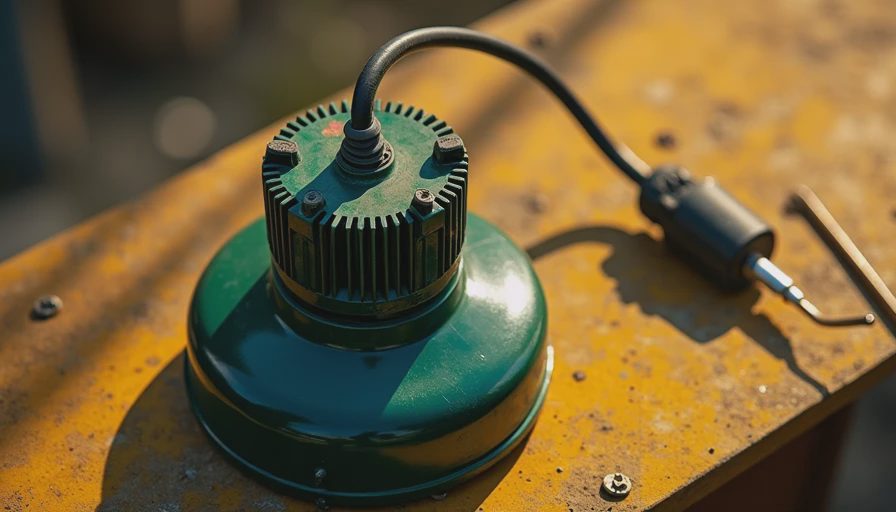
A lot of homeowners think the fixture choice is the project. It is not. The power plan and controls decide whether the system feels polished or annoying. Low-voltage 12V systems are common because they are flexible, easier to expand, and usually friendlier for paths, beds, and trees. Line-voltage can make sense for some wall-mounted or architectural applications, but it raises the stakes on electrical planning and installation.
The transformer matters more than most people expect. If your total load adds up to 120 watts, I would not stuff it into a 120-watt transformer and call it done. Headroom helps with reliability and future expansion. A photocell makes the system turn on at dusk. A timer keeps it from running all night. The best setup is the one that turns on automatically and behaves predictably.
This is also where budget gets clearer. A front entry-only package might be installed for around $1,500 to $3,000. A fuller perimeter with path lights, wall lights, a few trees, and multiple circuits often lands between $4,000 and $10,000. Large estates and highly detailed facades can go far beyond that, especially if trenching or custom fabrication enters the picture.
The most common mistakes I see on site
The most common failure is overlighting. More light does not equal better outdoor lighting. It often means more glare, more shadows, and more eyestrain. The second failure is color temperature mismatch. If the porch is warm and the driveway is icy blue, the house feels pieced together. The third failure is aiming too high. A beam that catches the canopy of a tree can look beautiful; a beam that hits the neighbor’s bedroom window is just poor planning.
I also see fixtures mounted without considering what the eye sees from inside the house. A lot of people design only for the street view. Yet the scene from the kitchen sink or the living room sofa matters every bit as much. If a bright source sits in that sightline, the room can feel harsher at night than it does during the day. Good outdoor lighting should support the view from indoors, not fight it.
A simple way to plan your own project
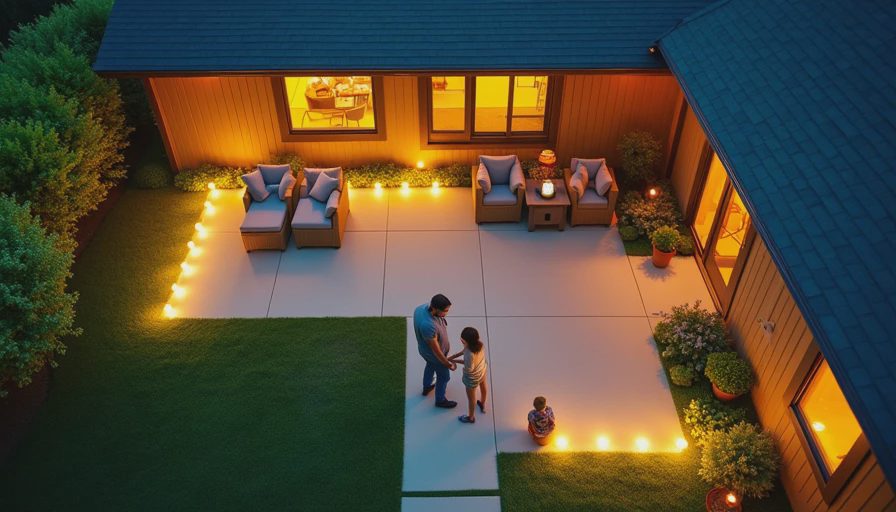
If you are starting from scratch, begin by walking the property after sunset with a flashlight and a notebook. Mark the places where people actually move: curb, gate, step, door, garage, side yard. Then note the surfaces worth highlighting: a textured wall, a specimen tree, a porch ceiling, a stone arch, a nameplate. Those are the targets. Everything else is background.
From there, decide which circuits need to stay on together and which should be separate. The front walk can be one circuit, the facade another, and the trees a third. That separation gives you control on nights when you want a softer scene or when you are trying to keep energy use down. It also makes troubleshooting easier later.
If the project feels bigger than you want to manage alone, that is when a lighting designer or a knowledgeable electrician earns the fee. The payoff is not just prettier night photos. It is a house that feels composed, safe, and welcoming every time you come home after dark. For most homeowners, that is the real value of outdoor lighting: it turns a property into a place with shape and a clear sense of arrival.