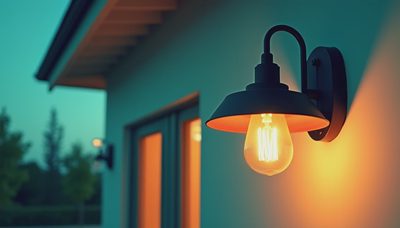
Choosing the right lampshade size for table lamp projects is less about following a decorating rule and more about managing proportion, glare, and the direction of light. A shade that is too small can make a substantial ceramic base look top-heavy, while an oversized shade can overwhelm a narrow console. The good news is that a tape measure and a few simple ratios will get you surprisingly close.
I use the same basic process whether I am evaluating a $40 thrifted lamp or a custom fixture in a Houston living room. Measure the base, understand where the lamp will sit, and decide whether you want focused reading light or a softer ambient glow. Then choose the shade shape and material that support that job.
Start with the lamp base measurements
Measure the lamp from the bottom of the base to the point where the shade will attach. Do not include the finial, harp, or socket in this first measurement. For a balanced starting point, the shade height should usually be about two-thirds of the visible base height. If the exposed base is 18 inches tall, look first at shades around 12 inches high.
That proportion is not a law. A sculptural lamp with a very wide ceramic body may need a shorter drum shade, while a thin metal base can handle a taller tapered shade. The shade should visually finish the base rather than hide its most interesting feature.
Next, measure the widest part of the base. A useful starting range for shade diameter is roughly equal to the base height, or up to 2 inches wider for a more relaxed look. An 18-inch base often works with a shade between 16 and 20 inches across. The right lampshade size for table lamp placement also depends on nearby furniture: a shade that works on a deep buffet may look crowded on a 12-inch-deep nightstand.
Use the room and furniture to refine the proportion
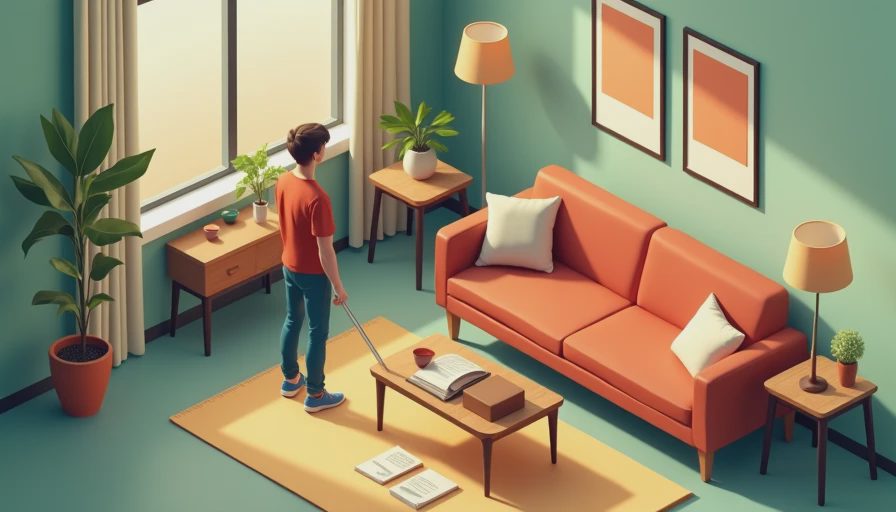
A lamp is not an isolated object. It forms a visual relationship with the tabletop, wall, headboard, sofa arm, or artwork behind it. On a bedside table, the shade should generally stay within the table's footprint. A 16-inch-wide shade on a 20-inch nightstand leaves only 2 inches on each side, which can feel precarious if the table is beside a walkway.
For a console or entry table, you can use a broader shade because there is often more horizontal space and the lamp is meant to make a stronger visual statement. Two matching lamps on a long sideboard should usually share the same shade dimensions, even if the bases differ slightly. Repeating the shade silhouette creates rhythm and makes the arrangement feel intentional.
When comparing the lampshade size for table lamp options in a showroom, stand several feet away rather than judging only from above. Photograph the lamp against a plain wall if possible. The camera often reveals an imbalance that is difficult to notice while you are holding the shade at eye level.
Choose a shape that matches the base
A tapered empire shade is narrower at the top and wider at the bottom. It is a dependable choice for traditional urn-shaped bases because its expanding profile echoes the base. A drum shade has nearly vertical sides and gives a cleaner, more contemporary appearance. It suits cylindrical, rectangular, and simple sculptural lamps.
A rectangular shade can work especially well on a square base or a narrow console. Check its corners against the furniture around it; sharp corners can make a small bedroom feel visually busy. Oval shades are useful when a lamp sits close to a wall because they provide width from the front without projecting as far into the room.
The shade should not fight the base. If the lamp has a complicated silhouette, a plain linen drum often provides the visual breathing room it needs. If the base is simple and inexpensive, a pleated, textured, or patterned shade can supply the character.
Check the fitter, harp, and bulb clearance
Dimensions alone cannot tell you whether a shade will physically fit. A washer-top shade rests on a threaded socket and is secured by a finial. A spider fitter sits on top of a harp, the metal bracket that rises around the bulb. Clip-on shades attach directly to a small bulb and are common on accent lamps.
Before ordering, identify the fitter type and measure from the fitter to the bottom edge of the shade. The bottom of the shade should conceal the socket and much of the harp when viewed from normal seating height. If you can see the bulb from across the room, the shade may be too short or mounted too high.
Leave adequate space around the bulb. Incandescent and halogen bulbs produce substantial heat, so they need the clearance specified by the shade and bulb manufacturer. LED bulbs run cooler, but they still need ventilation and must stay within the fixture's wattage rating. A correctly sized shade is not useful if it traps heat or exposes uncomfortable glare.

Select fabric and opacity for the light you need
The material changes the lamp's job. White or light-colored linen allows more light to pass through and creates a broad, gentle glow. It is effective beside a sofa, where the lamp contributes to ambient lighting. A darker or tightly woven shade sends less light through the sides and makes the lamp feel more intimate, but it can reduce useful illumination.
For reading, look for a shade that directs light downward and provides enough clearance for the bulb. A translucent diffuser at the top or bottom can soften bright points and reduce eye strain. For a decorative lamp on a hallway table, lower output and more controlled spill may be preferable to maximum brightness.
Color temperature matters as well. A warm LED around 2700K generally supports a comfortable living room or bedroom atmosphere. A 3000K bulb can look crisper while remaining residential in character. The shade will tint the result, so a cream fabric can make the light appear warmer than a white fabric with the same bulb.
A practical shopping checklist
Before buying, write down the base height, widest base width, tabletop depth, fitter type, and the bulb you plan to use. Start with a shade height near two-thirds of the base and a diameter close to the base height. Then compare the proposed dimensions with the furniture rather than relying on the lamp alone.
For example, an 18-inch base on a 22-inch-wide nightstand could pair well with a 12-inch-high, 16-to-18-inch-wide shade. A 24-inch base on a broad console might accept a 16-inch-high shade measuring 22 to 24 inches wide. Those examples are starting points, not rigid specifications; the base shape and viewing angle still matter.
If you are ordering online, tape the shade's width and height onto cardboard and place the outline on the table. This quick mock-up exposes scale problems before you pay for shipping. It is one of the simplest ways to test the lampshade size for table lamp arrangements in your actual room.
When the proportions look right, confirm the return policy, fitter measurements, and maximum bulb wattage. A well-sized shade should make the base feel stable, hide distracting hardware, and put useful light where you need it. Measure once, mock it up, and let the room's furniture—not a generic decorating rule—make the final decision.