Porch lights do a lot more than help you find the keyhole. At a front entry, they set the first impression for the whole house, and they also decide whether the porch feels warm, flat, harsh, or welcoming. I spend a lot of time explaining to homeowners that the goal is not maximum brightness. The goal is controlled brightness in the right place, with enough light on the face, the steps, and the door hardware so the entry works at night without feeling like a gas station canopy.
The easiest way to think about porch lights is this: they are part function, part architecture, and part curb appeal. If the size is wrong, the fixture looks pinched or oversized. If the color temperature is wrong, the house can look chilly. If the beam is wrong, the light spills into your eyes instead of onto the path. A good entry light solves all three problems at once.
How to size porch lights for the front entry
The first thing I look at is scale. A tiny fixture on a tall, wide front door reads as an afterthought, while an oversized lantern on a narrow cottage porch can crowd the opening. A simple rule that works surprisingly well is to size the fixture so it feels proportional to the door trim, not just the wall space. On many homes, that means a lantern or sconce that is roughly one-quarter to one-third the height of the door, though the architecture always gets the final vote. When a porch has two sidelights, I usually want the fixtures to feel balanced with the glass rather than compete with it.
Height matters just as much. Most wall-mounted entry lights look best when the center of the fixture lands near eye level, which keeps the source from glaring straight out into a visitor’s face. The exact mounting point changes with ceiling height, porch depth, and whether the home has a transom or a narrow stoop. If the light is mounted too high, the porch gets a bright top edge and a dark floor. Too low, and the beam catches the eyes before it reaches the door. The sweet spot is the one that puts useful light where hands and feet actually move.
Color temperature is where many homes go sideways. For a front porch, warm white LED in the 2700K to 3000K range usually looks best because it flatters brick, siding, wood trim, and skin tones. Cooler LEDs can make a porch feel harsher and more commercial. I also like to see a solid color rendering index, ideally 80-plus, because you want the paint color on the door and the finish on the hardware to look believable after dark. A beautiful fixture with poor light quality still gives you a mediocre entry.
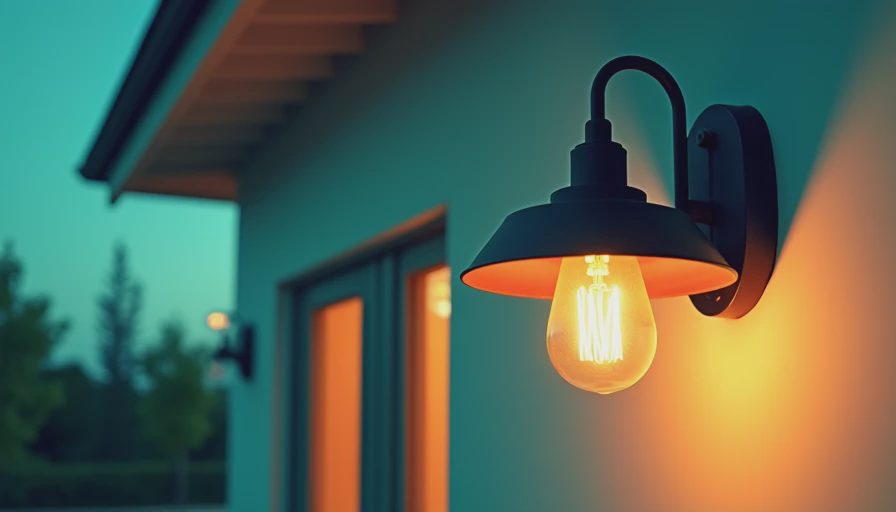
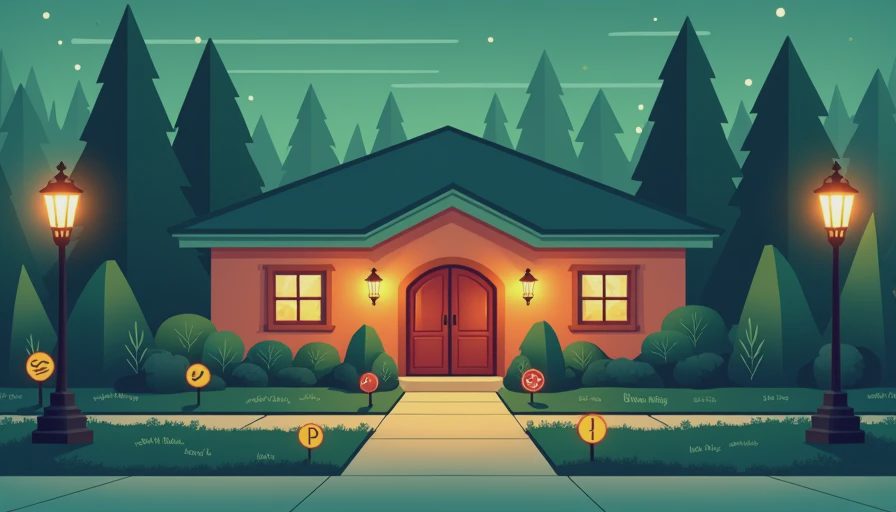
One of my favorite fixes is adding more than one layer at the entry. That does not always mean extra fixtures. Sometimes it means a ceiling light on the porch, wall sconces at the door, and a small path light that guides the last few steps. Other times, especially on a deep covered porch, the right answer is a pair of balanced wall fixtures plus a downlight near the threshold. The reason is simple physics: one point source creates sharp contrast. Two or three sources spread the work out, which makes faces easier to see and shadows less dramatic.
I see porch lights fail most often for predictable reasons. The fixture is too small for the facade. The lamp is too blue. The glass is decorative but throws light in the wrong direction. The porch is bright at the wall and dark on the step below, which is how people miss a riser at night. Fixing that usually costs less than homeowners expect. A better-rated LED lamp may run $10 to $30, and a quality outdoor fixture from brands like Hinkley, Kichler, or Progress Lighting can start in the low hundreds and climb from there depending on finish and build quality. The important part is not the brand name alone; it is whether the fixture suits the space and throws light where you need it.
Common mistakes that make the entry feel wrong
The worst mistake is treating the porch like a stage set and forgetting that people have to use it. A pretty lantern with clear glass can look great in daylight and still be miserable at night if the bulb is exposed at eye level. Frosted glass helps, but so does shielding the source and choosing the right output. Another common problem is using the same bright lamp on both sides of a porch without checking the actual beam spread. If the light hits the siding instead of the walkway, you are paying for glare, not visibility.
Another issue is ignoring how the front door is read from the street. When the entry is too dim, the house looks shut down. When it is too bright, the house looks flat and the materials lose depth. I usually want the porch to feel a little brighter than the surrounding facade, but not so bright that the trim disappears. That contrast is what makes a front door feel intentional at night. It also helps guests find the bell, the lock, and the step without pausing to guess.
If your porch lights are part of a remodel, this is the moment to think about controls. A dusk-to-dawn photocell is useful for security and convenience, while a wall dimmer or smart switch lets you reduce output when you want a softer evening look. On newer builds, I like to coordinate the entry light with the rest of the exterior package so the garage, porch, and landscape do not fight each other. A front entry should feel like one composition, not three separate decisions made in three different months.
The last thing I tell homeowners is to test the light at night before calling it done. Stand at the curb, stand on the walk, and stand in the doorway. If the beam is in your eyes, the fixture is not doing its job. If the door reads clearly, the step is visible, and the finish on the home looks rich instead of washed out, you are close. Good porch lights do not just decorate an entry. They make the house easier to live in, easier to approach, and easier to remember.
If you are upgrading an entry and want the fastest path to a better result, start with scale, then color temperature, then placement. That order solves more problems than buying the prettiest fixture on the shelf. When those three pieces line up, the whole front of the house settles down at night, and the porch starts doing the quiet, useful work it was meant to do.