A 3 light pendant is one of those fixtures that looks simple on paper and still manages to cause a lot of hesitation in real homes. I see that all the time on remodel calls: someone has the island, the table, or the stair landing already planned, but they cannot tell whether one fixture is enough, how low it should hang, or whether the room will look crowded once it is installed. The good news is that a 3 light pendant works beautifully when the room needs a visual anchor and a wider spread of light than a single shade can give you.
The trick is to stop thinking about it as decoration first. Start with the job it has to do. Is it meant to light faces at a kitchen island, pull a dining table into focus, or give an entry a finished center point? Once you know the purpose, the rest gets much easier, because size, spacing, and bulb choice all follow from that one decision.
Where a 3 light pendant belongs
I usually recommend a 3 light pendant in rooms that are long enough to want a little rhythm, but not so large that they need a full custom chandelier. A kitchen island is the classic case. If the island is six feet or longer and the room already has recessed downlights, the pendant can act like the room's punctuation mark. It says, this is where people gather, prep, and talk.
It also works well over a rectangular dining table, a pool table, a stair landing, or a double-height entry where you want something more substantial than a single bell-shaped shade. The reason is simple: three light sources spread the visual weight and the illumination, so the fixture feels anchored instead of top-heavy. In a room with clean lines and a lot of hard surfaces, that balance matters more than most homeowners expect.
If the ceiling is low and the room is compact, I still like the idea, but the proportions need to be tighter. A bulky fixture in a tight room can make the ceiling feel lower than it is. A slimmer profile with shorter stems or a compact frame keeps the look intentional instead of crowded.
Get the size and height right the first time
Scale is where a 3 light pendant either looks professionally placed or obviously guessed at. Over a kitchen island, I like the fixture to occupy about half to two-thirds of the island's width, not the full span. That leaves breathing room at the edges and keeps the pendant from feeling like it is fighting the countertops for attention. If the island is 8 feet long, the fixture can be a little more generous; if it is closer to 6 feet, restraint usually looks better.
Height is just as important. Over a table or island, a common starting point is 30 to 36 inches from the work surface to the bottom of the fixture, then adjusted for sightlines. If a tall person can stand at the island without craning around it, you are in the right zone. In an entry or stair void, the goal changes: keep the bottom high enough for head clearance, but low enough that the piece still feels connected to the space instead of floating away from it.
For homes with 8-foot ceilings, I pay close attention to overall fixture height. A 12- to 18-inch body can feel right where a taller piece would be too heavy.
Light quality matters more than the finish
People get distracted by brass, black, or glass, but what makes a fixture pleasant to live with is the light itself. A 3 light pendant with clear glass shades can be beautiful, but it will also reveal the bulbs, so the lamps need to look good and dim smoothly. Frosted glass or fabric shades soften the source and hide the hardware, which is useful if the fixture sits close to eye level.
For color temperature, I usually stay around 2700K for dining rooms and bedrooms, and 3000K for kitchens where the pendant needs to keep up with a more functional lighting plan. If the rest of the house skews warm, a cooler bulb can make the fixture feel disconnected from the room. CRI matters too. Aim for 90-plus if the space has wood cabinets, stone counters, or painted finishes you want to read correctly at night.
On brightness, a good starting point for this type of fixture is roughly 1800 to 3000 lumens total, depending on shade openness and what else is in the room. The real secret is dimming. A pendant that looks too strong at dinner can become perfect once it is dialed down to 40 or 50 percent.
Three real room examples from the field
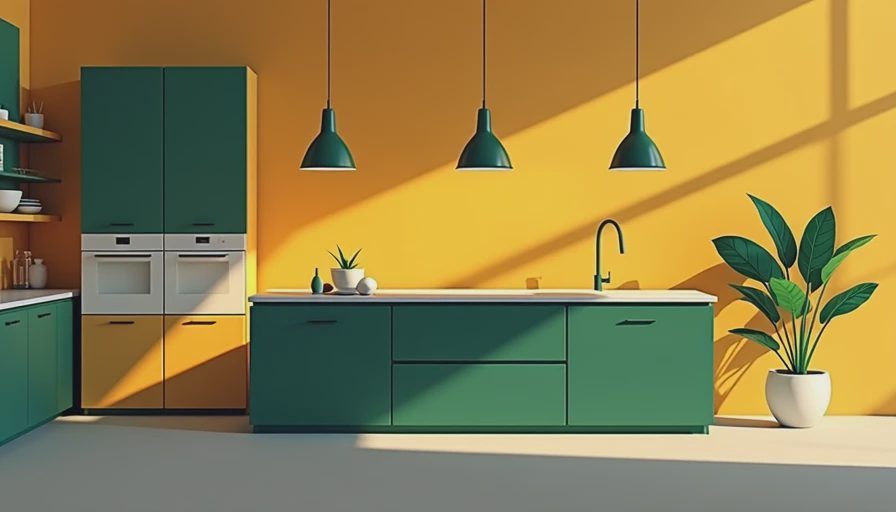
In a kitchen, I like a 3 light pendant when the island is the social center and the homeowners want a single object that ties the room together. Matte white or opal glass works well when there is already a lot of texture in the cabinetry and stone. If the room has undercabinet lighting and recessed cans, the pendant does not need to do everything. It just needs to add identity and focus.
Over a dining table, the same fixture can feel warmer and more intimate if the bulbs are slightly dimmer and the shade material is softer. The table becomes the stage, and the pendant creates the circle of light that makes people want to stay seated after the plates are cleared.
In an entry, I use this style when the homeowner wants a stronger visual statement without going full chandelier. A 3 light pendant can give a foyer enough presence to feel finished the moment you open the door, especially if the rest of the house is more restrained.
The mistakes that make it look off
The most common mistake is sizing the fixture to the internet photo instead of the room. A piece that looks dramatic in a large staged kitchen can feel oversized over a smaller island. The second mistake is hanging it too high because people are nervous about blocking views. Too high, and the pendant stops shaping the room; it becomes a ceiling ornament instead of a lighting tool.
Another problem is using the wrong color temperature. Very cool bulbs can make warm wood feel flat and make skin tones look tired at dinner. On the other hand, very warm bulbs in a crisp white kitchen can look muddy. Dimming helps, but it does not fix a bad starting point.
I also see homeowners skip the dimmer, which is a mistake on almost every decorative pendant. Light levels need to shift between cooking, homework, and dinner. A 3 light pendant should be flexible enough to do all three without feeling harsh.
What to check before you buy
Before you order, look at the spec sheet instead of just the product photo. Check the overall width, the fixture height, the maximum drop, the canopy size, and whether the bulbs are replaceable or integrated LED. If it uses standard sockets, confirm the base type and wattage limit. If it is an integrated LED model, make sure the driver is dimmable and compatible with the dimmer you plan to use.
I also like to know how the fixture is finished on top, because the canopy and stem details matter more than people think when the ceiling is close to eye level. In a room with a clean modern ceiling, a tidy canopy makes the whole install look sharper.
If you are deciding between this style and adding more recessed lights, remember the goal: one strong fixture can give a room a better sense of place than a grid of downlights ever will. When the room is measured correctly and the light quality is right, a 3 light pendant does exactly what a good fixture should do. It makes the space feel settled, useful, and complete.