
A bedroom can look finished and still feel wrong at night. That is usually not a paint problem or a furniture problem. It is a lighting problem, and bedside lamps are often where it shows up first. If the lamp is too low, you get glare in your eyes. If it is too high, the light spreads everywhere but the page in your hand. If the shade is the wrong shape, the whole room can feel harsh even when the bulb is dimmed. I have seen rooms with beautiful millwork and expensive bedding that still felt restless after dark because the lamp choice fought the bed, the mattress height, and the way the room was actually used.
The good news is that you do not need a designer’s vocabulary to fix it. You need a few measurements, a sense of how you use the room, and a willingness to think about light as a tool instead of decoration. Once those pieces line up, bedside lamps do a lot of quiet work: they make reading easier, keep the room calm, and let you move around without turning on the overhead light.
Start with the job, not the style
Before you look at ceramic bases or linen shades, decide what the lamp has to do. Some bedrooms need a reading light first. Others need a soft glow for winding down. A few need both. That choice changes everything. A person who reads every night needs a brighter, more directed beam than someone who only wants a little ambient light for getting settled. In practical terms, that usually means a dimmable LED bulb somewhere around 450 to 800 lumens per side, depending on the shade and how far the lamp sits from the mattress.
This is where many bedside lamps miss the mark. People buy a lamp because it looks good on a console or in a store display, then put it beside a bed that is 10 inches higher than the table it was pictured on. The light lands too high, or the bulb is visible from the pillow, and the result feels cheap even if the fixture was not. Think about the actual task first. A reading lamp wants a more focused shade and enough output to keep text legible. A mood lamp wants softer diffusion and a warmer tone. You can have both, but the fixture has to be chosen with that split in mind.
Another useful rule: the lamp should support the room’s other layers, not compete with them. If your ceiling fixture is on a dimmer and your bedside lamps are bright enough to do all the work, the room can still feel balanced. If the bed is the star, keep the light lower and warmer. That is how a bedroom feels restful instead of overlit.
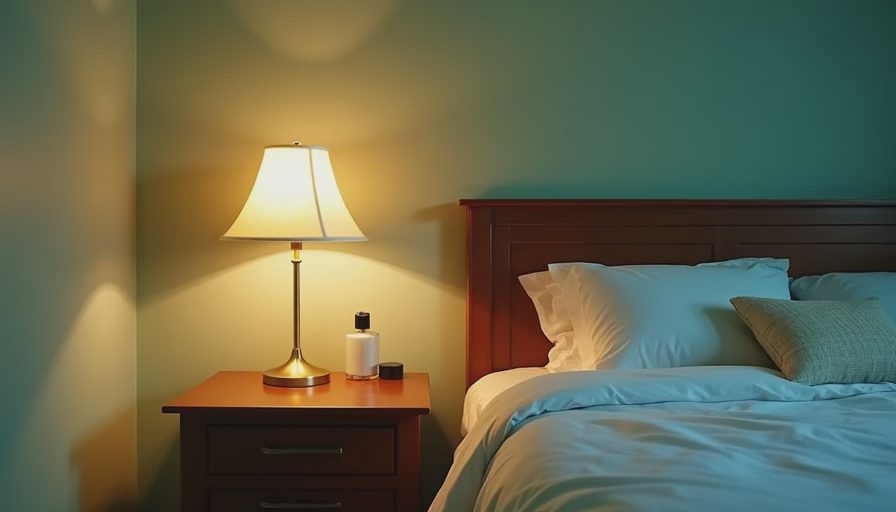
Get the height and scale right
Height is the most overlooked part of the equation. As a starting point, the bottom of the shade should usually sit close to seated eye level when you are in bed. That keeps the bulb hidden and the light aimed where you need it. In many real bedrooms, that lands somewhere in the 24 to 30 inch range for the overall lamp height, but the mattress height and nightstand height matter just as much as the number itself. A tall upholstered bed can make a short lamp look stubby. A low platform bed can make a tall lamp feel like a streetlight beside the pillow.
Scale matters too. If the lamp base is skinny and the shade is tiny, it can vanish on a large nightstand and make the whole wall feel under-furnished. If the lamp is oversized, it can crowd books, glasses, and a phone charger until the table stops functioning. I usually want enough width that the shade feels intentional, but not so much that the lamp dominates the bedside surface. For a queen or king bed, a shade around 14 to 16 inches wide is often a comfortable place to start.
Placement is the other half of scale. Pull the lamp far enough forward that you can reach the switch without leaning over the bed, but not so far forward that the light shines directly into your face. If the nightstand is narrow, a wall-mounted arm or a swing-arm reading light may be a cleaner answer than forcing a bulky lamp onto a small top. The right choice is the one that gives you usable light without cluttering the zone beside the mattress.
Bulbs and controls change the whole room
A lot of people focus on the fixture and then put in whatever bulb was closest at hand. That is how a good lamp ends up looking blue, yellow, or too bright. For most bedrooms, a warm white LED in the 2700K to 3000K range is the safest starting point. It keeps skin tones comfortable and helps the room feel softer at night. If you care about color quality, look for a CRI of 90 or higher. That helps bedding, wood finishes, and wall color read the way they should instead of looking flat.
The control matters just as much as the bulb. A lamp with a simple three-way socket or an inline dimmer is easier to live with than a beautiful fixture that is stuck at one harsh level. If you use bedside lamps for reading, the ability to dim them low after you finish is a real quality-of-life upgrade. In a shared room, independent control is even more useful because one person may want bright task light while the other wants almost none.
You also want to think about shade material. Opaque fabric shades hide the bulb well and keep the room calm. Thin translucent shades send more light out into the room, which can be useful if the lamp has to do double duty, but they also make glare more likely. There is no universal winner. The right answer depends on whether you want the lamp to act like a task light, a soft wash of light, or a little of both.

When a different fixture is better
Sometimes bedside lamps are not the best tool at all. In a very small bedroom, a wall-mounted sconce can free up enough space to make the room feel less cramped. In a hotel-style layout, a swing-arm reading light can aim light right where you need it and keep the nightstand clear. In a room with a headboard that extends far above the mattress, sconces often solve the height problem more cleanly than trying to stack a lamp on a tall table and hoping for the best.
I also look at how the room is used before I recommend anything. If the bedroom doubles as a place to answer email, put on makeup, or organize clothes, the bedside fixtures should not carry the whole load. You may need a stronger ceiling light or a separate mirror light so the bedside area can stay restful instead of being forced into every job. The bedroom works better when each fixture has a job it can actually do well.
There is one more case where I would skip the standard lamp: when the room already has a very strong architectural line. A narrow bedside table under a large window, a dramatic headboard wall, or built-in millwork can all look cleaner with a mounted fixture. The point is not to avoid lamps. It is to avoid pretending that every bedside setup should use the same solution.
A simple buying check before you order
Before you click buy, measure the nightstand height, the top of the mattress, and the width of the surface you actually have. Then compare the lamp height to where your eyes sit when you lean back in bed. If the bulb will be visible, the lamp is probably too short or the shade is the wrong shape. If the shade blocks your sightline but you still get glare, the lamp is probably too tall or too open at the bottom.
I also like to test the room in reverse order. Imagine the light off, then imagine it on at 50 percent, then at full brightness. If the room still feels calm at those three levels, you are close. That is the sign that bedside lamps are doing their real job: helping the bedroom feel useful without making it feel busy.
If you are remodeling or furnishing a new build, choose the fixture after the measurements, not before them. That one habit saves a lot of returns, and it is the easiest way to make bedside lamps feel like they were designed for the room instead of dropped into it at the last minute.