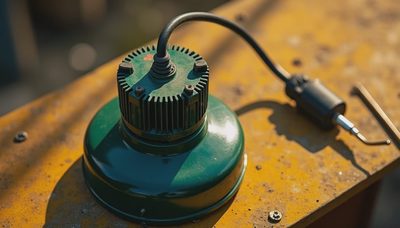
Ceiling light covers are small parts, but they do a big job. The right one diffuses the bulb, keeps dust off, and controls the beam so your room feels designed rather than accidental. The wrong one can make a two-thousand-dollar fixture look like a builder-grade afterthought. If your current cover is yellowed, cracked, or buzzing, read on — this might be the fastest win in your whole renovation. In this guide, I will help you understand what to look for, which styles work in which rooms, and how to replace a ceiling light cover in about twenty minutes. Honestly, it's the part most people forget until the builder's final walkthrough.
Why the Ceiling Light Cover Matters More Than You Think
A bare bulb produces a sharp, unflattering point of light. The cover transforms it into a diffuse glow that wraps the room.
A shallow frosted acrylic bowl spreads light across a wide footprint, which is why you see them in bedrooms and hallways. A deep clear glass dome pushes light straight down, making it a great fit over a kitchen table or an island. An opaque fabric drum softens everything and hides the bulb completely, while a seeded glass cover adds texture without sacrificing brightness. Each style changes the character of the light, not just the appearance of the ceiling.
I once consulted on a living room where the fixtures were beautiful but the covers were solid panels that blocked most of the upward light. The room felt like a cave. Swapping in a prismatic acrylic cover gave the ceiling dimension and dropped the perceived gloom in a single afternoon.

Common Ceiling Light Cover Styles
Flat acrylic panels are the most common replacement covers and the easiest to find. They sit flush against a metal ceiling plate and give a clean, low-profile look. Dome and bowl covers are the classic glass or plastic shades that screw onto a threaded socket; these are what most people picture when they hear "flush mount." Alabaster and white glass covers are pricier but cast a warm, even glow that acrylic sometimes lacks. Fabric-covered drum shades add a softer, more residential feel and often pull a room together. For outdoor ceilings, look for sealed polycarbonate covers with a gasket. In my experience, homeowners tend to buy the cheapest acrylic option without checking whether it matches the fixture's finish. A brushed nickel fixture with a plain white bowl is fine, but a smoked glass cover can make the same fixture look intentional. The right style is less about fashion and more about how light falls on your walls and floors.
What to Look for in a Quality Ceiling Light Cover
Before you click buy, measure the existing cover or the fixture's collar. Cover sizes are usually listed by diameter and drop height. A cover that's too small will look lost; one that's too large can trap heat and crack. Check the material for UV resistance. Cheap acrylic discolors in a year when it faces afternoon sun. Polycarbonate and glass hold their clarity much longer. If the cover sits over a high-wattage bulb, confirm the fixture's wattage rating and look for a cover that dissipates heat. A quick way to test light transmission: hold the material up to a lamp. A quality cover should obscure the bulb but not swallow the light. If you can see the filament clearly through the shade, you'll see a visible bright spot on the ceiling. Also, pay attention to the finish. A matte white cover hides fingerprints; glossy covers show every speck. If you're choosing a cover for a bathroom, make sure it's damp-rated. Most box stores list this on the packaging.

How to Replace a Ceiling Light Cover Safely
Start by turning off the breaker, not just the wall switch. Wait a minute for the bulb to cool. If the cover is a glass bowl, support it with one hand while you loosen the finial or ring nut. Many flush mounts have two or three clips around the edge; compress them gently and let the cover drop into your palm. For domes that thread onto the socket, twist counterclockwise. Once the old cover is off, wipe down the fixture's collar and inspect the wiring for scorch marks. If anything looks brown or brittle, stop and call an electrician. To install the new cover, reverse the process: position it evenly, tighten clips or ring, then restore power at the breaker. The whole job usually takes fifteen minutes.
Cost Breakdown for a Ceiling Light Cover
Replacement covers are one of the cheapest lighting upgrades you can make. A plain white acrylic dome costs $10 to $25 at most home centers. A frosted or patterned bowl runs $25 to $60. Seeded glass and alabaster options usually start around $60 and can reach $150 for designer brands. If you need a matching cover for a specific fixture, check the manufacturer first; many sell replacement shades that snap into place. Online marketplaces are convenient, but read the reviews for brass or nickel collars. I've seen covers ship with a ring size that doesn't match a standard fixture. Also consider shipping and return costs; a $12 cover with $15 shipping isn't a deal.
When It's Time to Call an Electrician (or Not)
Swapping a cover is a simple DIY task for most homeowners. But some situations are not DIY. If the ceiling box has exposed wires, if the fixture wobbles, or if the old cover was held up with electrical tape, stop and get help. A licensed electrician can replace the entire fixture for $100 to $200, including labor, and that may be the wiser move. On the other hand, if the wiring looks clean and the mounting collar is intact, a new ceiling light cover is absolutely a twenty-minute weekend project. Just remember to turn off the breaker, not just the switch, and to use a ladder instead of reaching from the toes of a chair.