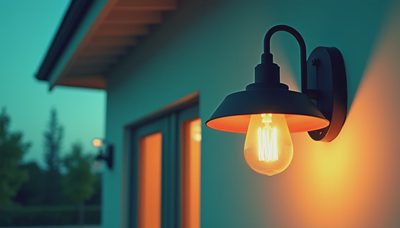
If you've ever stared at the lighting aisle and wondered why so many fixtures are just glass bowls stuck to the ceiling, you're not alone. Covered ceiling lights are workhorses of residential lighting, yet they're the most misunderstood fixtures I see in design consultations. After 200 Houston projects, I've developed a framework for when to use them, what to look for, and where people go wrong.
What Exactly Are Covered Ceiling Lights?
Covered ceiling lights are fixtures with an enclosed shade that sits flush or close to the ceiling, hiding the bulb behind glass, acrylic, or fabric. The cover diffuses light, giving a soft, even glow rather than a harsh point source. They're different from recessed cans, which create distinct pools of light, or a naked bulb in an open socket. The cover also keeps dust, insects, and moisture away from the bulb, which is why these fixtures are the default for closets, hallways, and utility rooms.
Where Covered Ceiling Lights Work Best
I've specified covered ceiling lights in kids' bedrooms, long hallways, and covered porches. Because the bulb is protected, these fixtures handle the humidity and dust of a screened porch better than an open pendant. They also solve low-ceiling problems. With an eight-foot ceiling, a semi-flush fixture can hang 6 to 10 inches, which feels too low. A flush mount takes up almost no visual space and keeps your line of sight clear. Position them consistently along a corridor for an even wash of light.
Enclosed vs. Open: Which Style Makes Sense?
Covered ceiling lights describe a broad family. The two main styles are flush mounts and semi-flush mounts. A flush mount sits tight against the ceiling, with the dome touching the surface. A semi-flush leaves a small gap and hangs slightly below, adding visual interest while protecting the bulb. You'll also find globes, drum shades, and barn-light styles with clear glass. A frosted globe softens and spreads light nicely; a clear shade creates more glare but a crisper look. For most rooms, choose a frosted or seeded glass cover for even light.

The Damp-Rated Rule for Covered Outdoor Spaces
If you're installing a fixture on a covered porch, carport, or patio, don't just grab any covered ceiling lights off the shelf. Check that the product is damp-rated. Damp-rated fixtures withstand moisture and condensation, like under a roof overhang. Wet-rated fixtures take direct rain, like an exposed lantern. For a covered but open-air porch, damp-rated is the minimum safe choice. It's a detail many homeowners skip, and it's the number one reason outdoor fixtures stop working after a season. I've seen beautiful $200 fixtures fail because they were rated for a dining room, not the damp air blowing off the Gulf.
Sizing Your Covered Ceiling Lights: Diameter and Height
Getting scale right will make or break a room. The classic rule: add the room's length and width in feet, and that sum gives you the fixture diameter in inches. A 12x16 foot room adds up to 28 feet, so you want a 28-inch fixture. For a hallway with a 3-foot width and 10-foot length, 13 inches would feel small; bump to 18 inches. Height matters too. With 8-foot ceilings, a flush mount is safest; semi-flush fixtures need at least 9 feet.
Light Output and Bulb Types: Don't Overwhelm the Room
A covered ceiling light can throw off surprising lumens, but you don't need max wattage. For a typical 12x12 bedroom, a single 800-lumen LED is plenty. In a windowless hallway, aim for 300 to 400 lumens per 10 feet. Many modern LED fixtures are fully integrated, so you replace the unit when the chips die. They typically run 50,000 hours and cut energy use by a third compared to old halogen. Brands like Hinkley, Kichler, and Progress Lighting offer good models from $80 to $250.
Where to Place Flush Mounts for Even Coverage
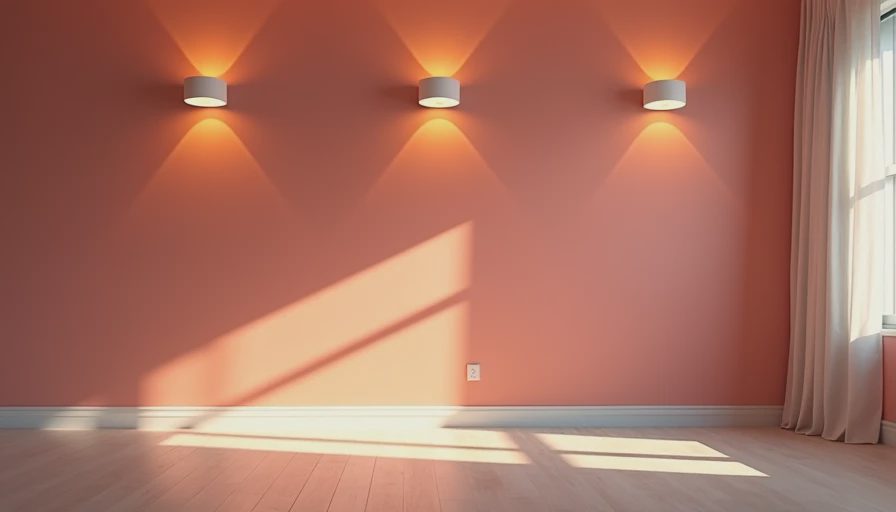
For rectangular rooms, place two fixtures along the long axis rather than one in the center. A single fixture in a 20-foot hallway leaves dark shadows at the ends. Two 10-inch flush mounts spaced 8 feet apart wash the corridor evenly. In an open living room, you can use multiple fixtures to create a grid, but avoid aligning them with furniture boundaries. The goal is symmetrical coverage without glare. This is where the layering principle kicks in: these fixtures handle ambient light, while table lamps and track heads take over tasks and accents.
A Quick Buying Checklist Before You Checkout
When you're ready to buy, measure ceiling height and room width first. Decide whether you need damp-rated for a covered outdoor spot. Pick the light color: warm white (2700K) for living rooms, cool daylight (4000K) for garages. Check CRI, or color rendering index; anything above 90 keeps colors looking natural. Confirm the mounting hardware fits your junction box, since sloped ceilings may need an adapter. If you're swapping an old fixture, turn off the breaker, remove the canopy, and note the wires. With covered ceiling lights, patience pays off.
The bottom line: covered ceiling lights aren't glamorous, but they do more heavy lifting than any other fixture type. Whether you're lighting a nursery, mudroom, or screened porch, the right one blends into the ceiling and makes the room feel comfortable. Start with the layering principle — ambient first, task second, accent third. A good set of covered ceiling lights nails the first layer.