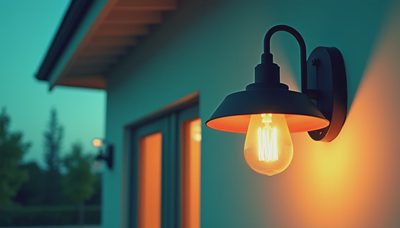
The right hanging light lampshade does more than soften a bare bulb. It shapes the mood of a room, controls glare, and ties the fixture together. In this guide, I will walk you through sizing, fabric, and budget so you can buy with confidence.
Why the Shade Is Half the Fixture
A pendant light is only as good as its diffusion. A bare bulb creates harsh shadows and a glaring hotspot, while a well-chosen shade softens the light and changes its color. In a dining room, choose a shade that directs light down to the table. A wide drum shade lets light out the top and bottom, creating a soft pool of light on the ceiling and the table. A closed-top bell shade pushes almost all light downward, which is ideal for a kitchen counter or reading nook. A globe or bowl shade scatters light in every direction.
The direction of the light matters more than the fixture's metal base. If you have a pendant that emits most of its light upward, the ceiling will glow but your table will stay dark. That is why I often tell homeowners to choose the shade first and the fixture base second. The shade is doing the real optical work.
Consider a client in River Oaks who wanted a hanging light lampshade over a breakfast bar where her kids did homework. We used a semi-flush enclosure with a white diffuser to keep downlight on the work surface and wash the ceiling with ambient light. The room felt calm and productive, and the overhead can lights stayed off for good.
Size and Proportion: The Math That Actually Matters
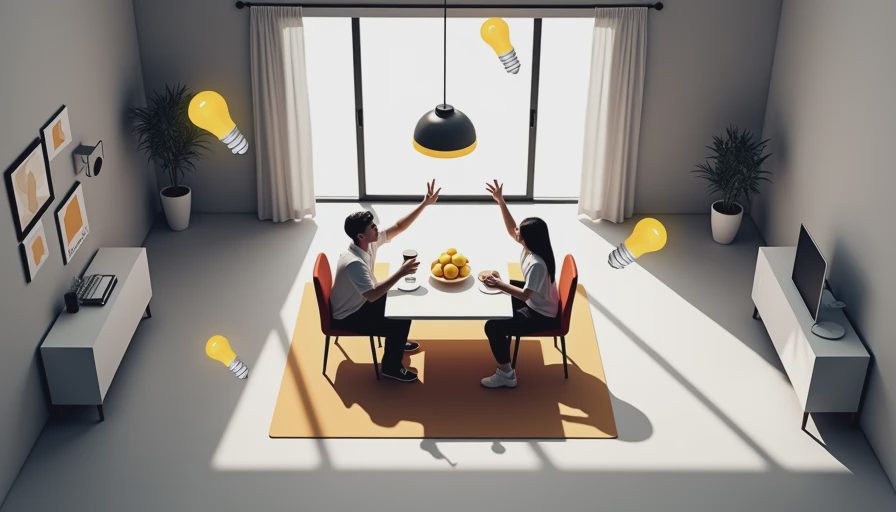
The shade diameter should roughly match the fixture canopy or be slightly larger. For a kitchen island, each shade should be about one-third of the island's width for even spacing. For a round table, aim for a shade diameter equal to half the table diameter. Hang the shade 30 to 36 inches above a dining table and 28 to 34 inches above a counter. With an 8-foot ceiling, a 16-inch shade height works well. For a taller ceiling, you can go longer and drop the fixture lower.
Let me give you a real check. In a 12-by-10-foot dining room with an 8-foot ceiling, I would specify a pendant with a 20-inch shade and a total hang length of 13 to 15 inches. The fixture should be centered over the table, not the room. A cord that adjusts from 12 to 48 inches makes this easy. When you buy a hanging light lampshade kit, look for that adjustability. Also measure the shade's bottom opening—if it is too narrow, the light will create a bright spot on the table that bothers your eyes.
Fabric, Color, and Light Quality
White cotton or linen shades give a warm, diffuse glow and work in almost any room. Dark shades cut light output by as much as 30% but add drama and make a room feel more intimate. Metal shades focus light for task areas, but they can look harsh in a living room. Glass shades add another layer: seeded glass gives texture, opal glass gives the most even distribution, and smoked glass lowers transmission for a softer pool.
For a bedroom, use a fabric shade with a slightly closed top to avoid a hard overhead bounce. For a home office, a shade with a white interior reflects light down onto the desk. The interior finish matters more than the outside. A brass or copper interior adds warmth, while a white interior keeps the color clean.
Do not forget the bulb. In most hanging fixtures, an E26 socket is standard, but some European-style pendants use E12 or GU10. Always check the socket rating before you buy a hanging light lampshade. LED bulbs draw far less than the 60-watt maximum on many shades, so you have plenty of options without worrying about heat.
Matching Style and Budget
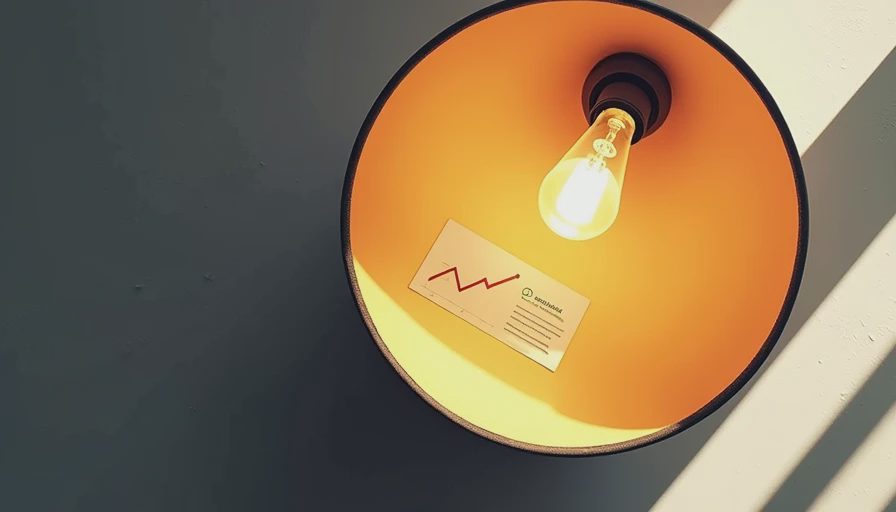
A mid-century modern pendant pairs well with a white drum shade. A traditional brass chandelier suits a fabric empire shade. A minimalist black ceiling lamp often calls for a straight cone or bowl shape in satin white. When in doubt, choose a shade with a subtle taper; it feels more finished and hides slight misalignment.
Brands like Schoolhouse, West Elm, and IKEA sell hanging light lampshade options from 30 to 200 dollars. Some online retailers also carry replacement shades in standard sizes, which means you can change the look of a fixture without rewiring anything. The total cost of a hanging light lampshade also includes the cord and socket if you are replacing the entire pendant. A quality cord set with a brass socket runs 20 to 50 dollars. Splurge on a shade at eye level in a dining room, because that is where everyone notices it. Save on shades that sit high above a hallway ceiling, where the details are less visible.
Common Mistakes I See in the Field
Avoid a shade with a thick, dark rim on a pendant ceiling lamp; the dark edge casts a circular shadow on the ceiling that looks dirty. Do not hang the shade so high that the bulb is visible from a seated position. Keep metal finishes consistent; a brushed brass shade on a polished nickel pendant looks cluttered.
Do not remove the diffuser that comes inside a fabric shade. That plastic or glass disc sits between the bulb and the shade, and it evens the light and prevents hot spots. A client once asked about a hanging light lampshade where the diffuser was lost; ordering the correct replacement part from the manufacturer fixed the problem in a day. Improvising with parchment paper or a cut plastic bottle will not give you the same even glow.
When you start with the right shade and hanging height, the whole room responds. Measure twice, buy once, and do not forget the diffuser.