When you shop for a lamp and lamp shades separately, you're playing roulette with your light. I've lost count of bedside tables ruined by a shade too small for the bulb, letting raw glare land on a pillow. In this guide, I'll show you how to think about the bulb, the shade, and the fixture as one system. By the end, you'll know exactly what to look for at the store — and what to skip. It's the difference between a room that feels like a dentist's office and one that feels like home.
Why the Shade Changes Everything
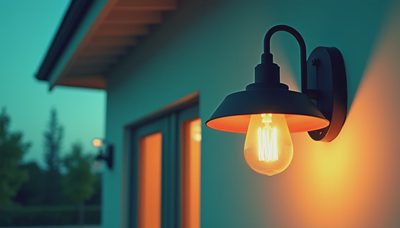
Your typical table lamp has a socket, a bulb, and a shade. The shade is not a decoration. It's an optical device that redistributes the light coming off the bulb. A bare bulb throws light in every direction at full brightness. The shade captures a portion of that output and redirects it — some goes up, some down, some is absorbed or reflected depending on the material.
This is the layering principle at work. A lamp that could wash a wall in soft glow becomes a harsh spotlight with the wrong shade. The same bulb can deliver completely different effects just by swapping a shade. That's why I always tell homeowners to buy the lamp and shade together as a matched set, not two separate impulse buys.
Shape Determines the Beam Spread
Shade shape is the first decision that matters. A cone or empire shade that's narrower at the top and wider at the bottom directs light down onto a tabletop — ideal for reading and writing. A drum shade with straight sides creates a more even sideways throw, lighting the entire surface and the surrounding area without a sharp pool.

If you've ever sat under a pendant or table lamp and felt like you were being interrogated, that's often a shade with a tall, narrow opening aimed straight down at eye level from a low position. The fix is simple: look for a shape with a larger bottom diameter, or raise the lamp so the bottom of the shade sits above your line of sight. The most common mistake I see is buying a lamp and lamp shades that don't share the same purpose. If you want moody ambient light, don't buy a shade built for task lighting.
Size and Proportion: The Rules of Thumb
Proportion is where most people go wrong. A general guideline for table lamps: the shade height should be roughly one-third the total height of the lamp base and shade combined. And the shade's bottom diameter should be at least as wide as the widest part of the base. When a client asks me to help them pick a lamp and lamp shades for a console table, I always bring a tape measure.
For a petite accent lamp, a shallow drum shade around six inches tall works. For a reading lamp on a desk, go taller and narrower. Keep the shade's top opening in balance, too. If the shade is too big, it swallows the base. If it's too small, it looks like a hat that doesn't fit. The visual weight needs to flow from base to shade without a jarring break.
Material and Light Quality
Once you've settled on the shade and the fixture that fit the space, think about material. Fabric shades — linen, cotton, or silk — are the most forgiving. They diffuse the light and soften shadows, producing that warm, flattering glow we associate with a cozy room. A plain white cotton shade with a 2700K LED bulb is my go-to for a bedroom.

Paper shades are similar but often let more light through the weave. Metal shades, on the other hand, reflect light out through the top and bottom openings only. They create dramatic pools of light and strong contrast, but they can be harsh on the eyes if placed low. Glass shades vary widely, from clear to opal. Opal glass is a great middle ground if you want sparkle without glare.
Bulb Choice: Not All LEDs Are the Same
The bulb is half the system, and most people grab whatever is cheapest. For a table lamp, you want an A-shaped or a decorative filament LED with a color temperature between 2700K and 3000K. That's the warm, comfortable range that matches incandescent bulbs. Anything over 3500K starts to feel clinical.
Lumens matter more than watts. A reading lamp needs around 800 lumens from a standard socket; an accent lamp can get away with 450. Dimmable LEDs give you flexibility. One trick: if your lamp uses a three-way socket, choose a three-way LED bulb so you can drop to a low glow for evening and crank it up for tasks. Pairing the right bulb with the right shade is the whole game.
A Quick Checklist for Your Next Purchase
When you're standing in the lighting aisle, run through this in your head. Measure the base height and widest diameter. Pick a shade shape based on what the lamp will do — downlighting for tasks, a wider throw for ambient. Check the shade fitting size. Most table lamps use a standard harp and finial, but some use a clip-on shade. Make sure they match. Look at the material and color, and think about how much light it will absorb. Then choose a bulb in the warm range with enough lumens.
Getting this right doesn't cost more. The next time you look at a room that feels off, don't add another source — adjust the lamp and lamp shades you already own, and you'll likely solve the problem for free.