
When a room feels flat after dark, I usually start with lamp lamp lamp before I start talking about rewiring, recessed cans, or a new chandelier. Most homeowners think the problem is not enough brightness, but the real issue is usually poor layering. One light source can make a room technically visible while still leaving it uncomfortable: faces look washed out, corners go dark, and the whole space feels more like a waiting room than a home. Three well-placed lamps solve a different problem. They add height, warmth, and direction. They also let you shape a room in the evening without depending on overhead light for everything.
Why one overhead fixture is not enough
A ceiling fixture throws light from a single point, which is efficient but not flattering. In a living room, that usually means the middle of the room is bright while the edges fall off too fast. Your eyes notice contrast before they notice total output, so a room can have plenty of lumens and still feel harsh. That is why people spend money on bigger bulbs, then wonder why the space still feels wrong.
The fix is not more brute-force light. It is multiple sources at different heights. A lamp near seating gives faces a softer glow. Another lamp in a corner bounces light off the walls and makes the room feel larger. A third lamp can handle reading or a desk without turning the entire room into an office. Once you understand that, the goal gets simpler: use light where people actually sit, read, talk, and move.
A good lamp also gives you control. If one fixture is too warm for winter nights or too bright for movie time, you can turn it off and lean on the others. That flexibility is why I prefer portable lighting as the first correction in a finished room. It costs less than electrical work, it installs in minutes, and it teaches you a lot about what the room really needs.
The lamp lamp lamp layout I use in real homes
When I say lamp lamp lamp, I am not talking about three random fixtures dropped into a room. I mean a deliberate trio with separate jobs. The first lamp is usually the anchor, often a floor lamp beside a sofa or lounge chair. The second is a table lamp on a console, end table, or chest, where it can lift the darker side of the room. The third is the workhorse, aimed at a task zone such as a reading chair, home office desk, or bedside table.
In a typical 14-by-18-foot living room, that layout keeps the center from feeling isolated and the perimeter from disappearing. If your sofa floats in the middle of the room, the floor lamp should not be jammed behind it like an afterthought. It should sit close enough to serve a person, usually just behind or beside the arm of the sofa, where the shade lands a little above eye level when seated. That keeps the source out of direct view and reduces glare.
The second lamp belongs where it can wash a wall or soften a corner. A lamp on a sideboard or behind a chair can make a blank wall feel intentional instead of empty. The third can be smaller, but it should be useful. If it is for reading, the bulb and shade need to aim light down onto the page, not scatter it around the room.
Where each lamp belongs
Placement is where most rooms win or lose. A lamp that sits too close to the wall often creates a bright patch and a dim center. A lamp that sits too far from seating becomes decoration instead of lighting. The sweet spot is usually one that supports a human activity first and a room shape second. Think of the room in zones. One zone needs relaxed ambient light, one needs visual balance, and one needs focused task light.
If you have a sectional, place one lamp at the outer corner so the longest seating run does not feel heavy. If you have two chairs, place a lamp between them or slightly behind one chair so the light reaches both without forcing people to squint. In bedrooms, a pair of bedside lamps usually beats one central ceiling light because it lets each person control their own side. In an entry, a lamp on a console gives the space a lived-in feel without blasting the front door with brightness.
This is also where scale matters. A lamp with a tiny shade on a large table looks timid. A tall lamp with a wide shade can dominate a small room. Match the fixture to the furniture, then match the bulb to the job.
Bulbs, shades, and color temperature matter more than people think
A lamp lamp lamp setup only works if the sources feel related. That starts with bulb color. For most homes, 2700K to 3000K is the safe range for evening comfort. Lower numbers feel warmer and more relaxed; higher numbers can feel cleaner but also a little sharper. If your room has a lot of wood, fabric, and warm paint, 2700K usually fits better. If the room is modern with pale finishes, 3000K can keep it from looking muddy.
Shades matter just as much as the bulb. Opaque shades hide the source and create a softer pool of light. Linen shades diffuse nicely and work well in living spaces. Clear glass looks decorative, but it can expose the bulb and create glare unless the bulb itself is carefully chosen. If you like the look of exposed bulbs, use them sparingly and keep them out of direct sight lines.
Dimmers are worth the trouble. Even a basic plug-in dimmer can turn a lamp from useful to perfect. If you want the cleanest result, buy dimmable LED bulbs that match the dimmer, because an incompatible pair can flicker or hum. I also like a simple rule: if a bulb makes you squint from across the room, it is too intense for evening use.
A quick room-by-room cheat sheet
In a living room, lamp lamp lamp should make the space feel like it has depth, not just brightness. In a bedroom, the same idea should help you relax, read, and move around without waking the whole room. In a home office, it should give you task light on the desk and softer light behind you so video calls do not look like you are sitting in a cave. In an entry or hallway, a single lamp can provide enough welcome to make the house feel intentional the moment you walk in.
The common thread is simple: do not ask one fixture to do every job. Let the room have a hierarchy. One lamp supports the eye, one supports the activity, and one fills the gap the ceiling light cannot handle.
If you are renovating, this is a cheap place to make a smart move before you spend on custom millwork or a statement pendant. A few well-chosen lamps, matched with the right bulbs and placed with care, can change the whole tone of a home. That is why I keep coming back to lamp lamp lamp as a first fix. It is fast, flexible, and surprisingly powerful when you use it with intent.
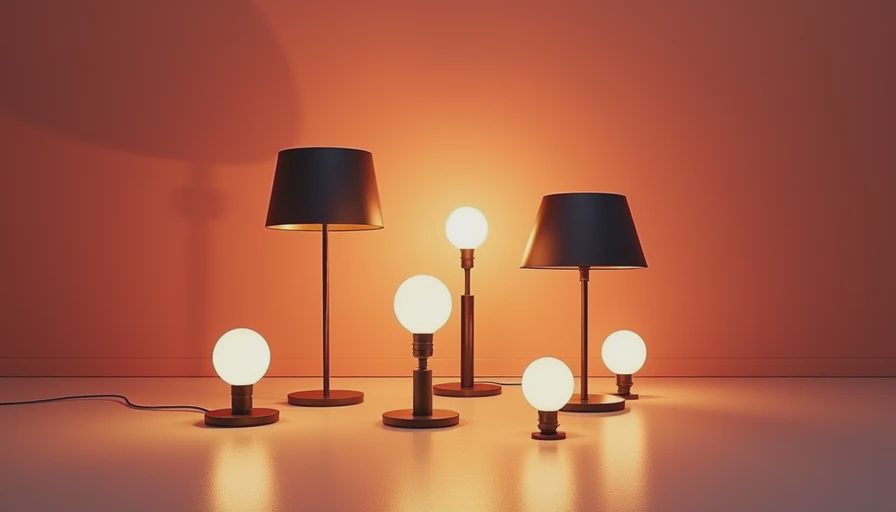
The fastest way to test a room tonight
Before you buy anything new, walk through one room at dusk and turn off the overhead fixture. Put a floor lamp near the main seat, a table lamp on the opposite side of the room, and a third lamp where you read, work, or want to soften a dark corner. If the room suddenly feels calmer and more balanced, you have learned something important about how the space wants to be lit.
That test costs almost nothing, and it tells you whether the room needs more ambient fill, more task light, or simply better placement. If the room still feels flat after that, then you can talk about rewiring, recessed lighting, or a new fixture plan. But in a lot of homes, lamp lamp lamp is enough to reveal the room’s best version without touching a single circuit.