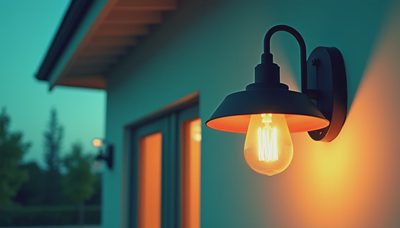
When you think about lamp shades and the way a room feels after dark, the lamp itself often gets all the credit. But the shade is what shapes the light. A bare bulb creates harsh glare, while the right shade softens it, directs it, and sets the mood. This guide covers the basics you need to pick a shade that actually works.
I've spent years helping homeowners in Texas fix lighting problems, and most of them are shade problems. Once you understand a few principles, you'll make better choices every time.
Why the Shade Matters More Than the Lamp
A shade controls how light leaves the fixture. A drum shade sends light up and down, which fills a room evenly. A tapered empire shade focuses more light downward, perfect for reading. A bell shade gives a balanced, decorative glow. The shape alone changes how bright a room feels.
The material matters too. Light passing through a translucent shade scatters and softens. Light bouncing off an opaque interior redirects upward or downward. Pick the shape and fabric based on what you need: task light or ambient glow.
Another thing to consider is heat. LED bulbs run cool, but older incandescent bulbs can cook a tight shade. Check the maximum wattage printed on the shade and keep adequate clearance around the bulb. This prevents discoloration and, more importantly, reduces fire risk in the lamp.
Layering is the core principle I teach. A good room uses both overhead light and task light, and the shade is what makes the task light work. If you have a dark ceiling, choose a shade that sends some light upward; if you have white walls, a shade that directs light downward can create lovely pools of illumination. That kind of control is why shade selection is so important.
The Three Measurements You Need
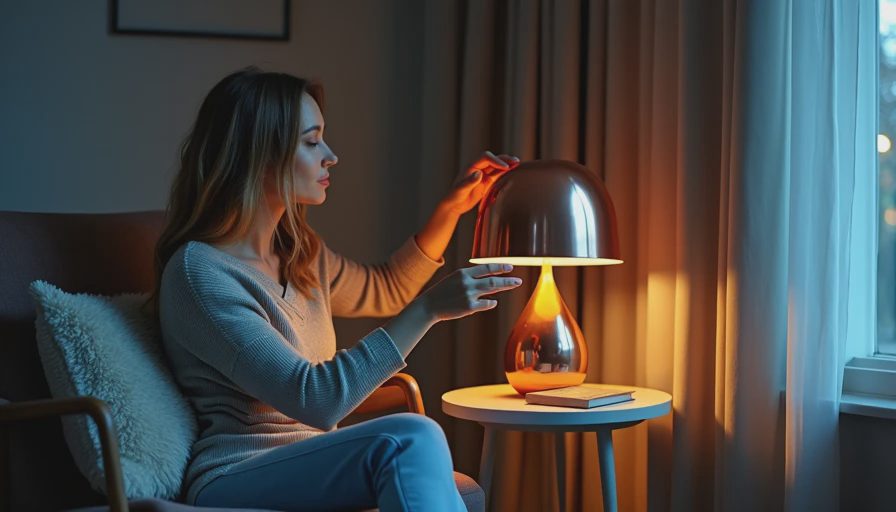
Before you buy anything, measure three things: the fitter size, top diameter, and bottom diameter. The fitter is how the shade attaches to the lamp. Most table lamps use a 16-inch harp with a washer shade; smaller accent lamps often use a clip-on fitter. If your lamp has a threaded socket, you may need an uno shade that screws on directly.
A simple rule: the bottom diameter should be close to the widest part of the base, and the shade height should be about three-quarters of the base height. If the lamp looks balanced from two feet away, you've done it right. This works for both table and floor lamps.
Don't stress about perfect numbers. A one- or two-inch difference is usually fine. The real mistake is choosing a shade that hides the bulb poorly or makes the lamp top-heavy.
Lamp Shades and Fabric: How Material Changes the Light
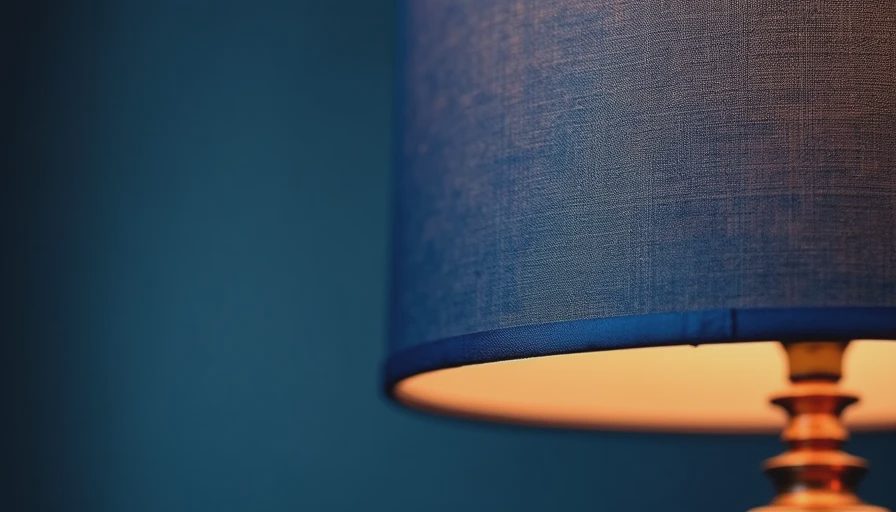
Lamp shades and fabric choices control how much light gets through. A white linen shade transmits around 70 to 80 percent, giving a bright, airy feel. A heavier cotton or polyester blend transmits less, making the glow warmer. Silk looks beautiful but can yellow over time. Pleats add texture but create shadow lines.
For maximum light, choose a white-lined shade. A matte white interior reflects light back down and can boost efficiency by 20 to 30 percent. Hard-backed and parchment shades block upward light, so only use them if you have another ambient source.
When you're browsing lamp shades and their materials, ask if the fabric glows nicely when backlit. Some shades that look great in the store look dull at night. Also check whether the shade can be cleaned easily. Some fabrics accept dust, while others stain quickly and need special care.
Pairing Shades with Lamp Bases
Styling matters, but it doesn't need to be complicated. A slender base pairs well with a tapered or bell shade. A heavy ceramic base can carry a wide drum. The goal is visual balance.
For a traditional room, a brass base with a linen empire shade is a safe choice. For a modern setup, a black metal base with a white drum shade works cleanly. If you use a brass lamp, repeat that metal somewhere in the room to tie it together.
Of course, shades and lamp bases don't have to match perfectly. They just need to share a similar visual weight. Consider the scale of your furniture too. A tall floor lamp next to a low sofa often looks better with a taller shade to keep the proportions interesting.
Lamp Shades and Color: What Works Where
Color temperature and shade color work together. A warm bulb (2700K) with a cream shade creates a classic cozy feel. A cooler bulb can still be comfortable if the shade diffuses well. For task areas, stick to white or cream shades. Use dark or colored shades for accent lamps only.
Dark shades absorb light, so they dim the area around them. If you love a black shade, balance it with wall sconces or a ceiling fixture. Patterned lamp shades and how they mix with your decor is a personal call. Keep one pattern per room to avoid visual chaos. Pair a busy shade with a solid base and simple surroundings.
A Quick Buying Checklist
If you want to make shopping easier, write these down before you click buy. First, record your lamp's harp height and socket type. Second, choose a shade that fits your bulb's wattage and heat rating. Third, measure the ceiling height and furniture scale so the shade doesn't overwhelm the room. Finally, order a sample or two to compare fabric and color in your own lighting. These steps prevent returns and keep you within budget.
Final Thoughts
You don't have to replace every shade at once. Start with the lamp you use most, measure it, and choose a shade that solves the lighting problem you identified. If you get stuck, bring a photo to a showroom or ask a lighting designer. Small changes make a big difference.
Now you'll never look at lamp shades the same way again.