
If you are shopping for led lights for bedroom, start by forgetting the product page and thinking about the way the room should feel at 10 p.m. A bedroom is not a showroom. It needs soft light for winding down, enough task light to read without squinting, and a low-glare path when you get up in the middle of the night. That is why the best choices are less about buying the brightest fixture and more about building a room that can shift from alert to restful in a few steps.
The mistake I see most often is treating every light in the house the same. In a bedroom, a single ceiling fixture can feel flat and harsh, while a couple of well-placed sources make the room feel larger and calmer. Good lighting is mostly a layout decision, and once you understand that, the rest gets much easier.
Start with the mood, then pick the fixtures
Before you shop, decide what your bedroom does after sunset. If it is mostly for sleep, relaxation, and light reading, aim for warm color temperature and easy dimming. A range around 2700K is the safest default for most homes, and 3000K can still feel comfortable if the room has darker finishes or you like a slightly cleaner look. I usually tell homeowners to avoid 4000K in a bedroom unless they have a very specific reason, because it can make walls, bedding, and skin tones look a little too crisp for a place meant to unwind.
Color temperature is only half the story. The other half is color rendering, often listed as CRI. A bulb with a CRI of 90 or higher will usually make wood tones, linens, and paint colors look richer and more natural. That matters in a bedroom because you are often judging clothes, makeup, or simply how the room feels in low light. If you want led lights for bedroom that feel expensive without actually being expensive, CRI and dimming are where the money goes.
Build layers so the room can change with your night
The best led lights for bedroom are usually the ones that do different jobs instead of one oversized job. Ambient light gives the room its base glow. Task light helps you read. Accent light adds shape and warmth. A bedroom with all three feels intentional even if the fixtures themselves are simple. A pair of table lamps on nightstands often does more for comfort than a decorative ceiling piece ever will, because the light sits lower and feels softer at eye level.
This is also where smart controls earn their keep. A dimmer from Lutron, Leviton, or a similar reputable line can turn a decent setup into a genuinely useful one. If you want app control, Philips Hue and WiZ are popular because they make scene setting easy, while basic dimmable LED bulbs from brands like Feit Electric or GE can still work well if the rest of the wiring is right. The key is matching the bulb to the dimmer. A cheap LED on the wrong dimmer can flicker, buzz, or drop out at low levels, which is the opposite of relaxing.
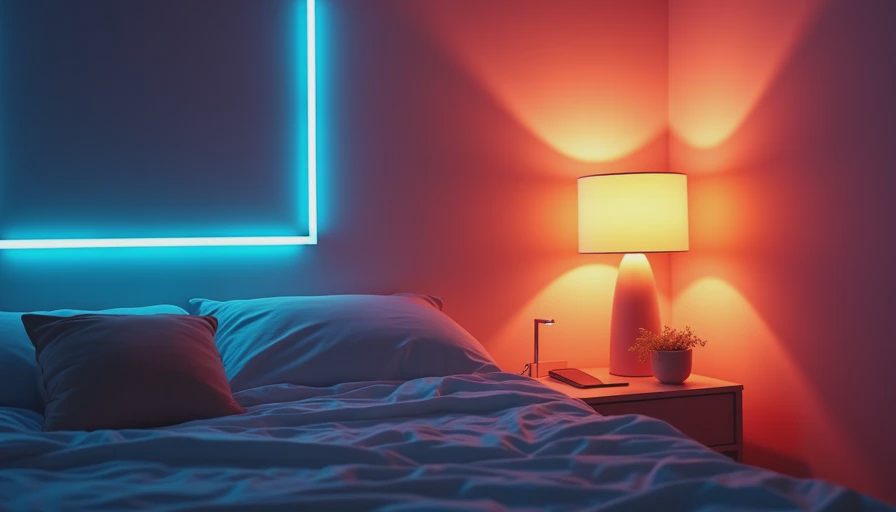
Use placement to solve glare, shadows, and the midnight walk
Once the layers are chosen, placement decides whether the room feels polished or awkward. Nightstand lamps should sit low enough to light a book, but not so low that they shine directly into your eyes when you are lying down. Wall sconces can free up surface space in a small room, and they work especially well when the shade or diffuser keeps the source hidden. Recessed lights should usually be treated as supporting actors, not the star. In a bedroom, a bare downlight pointed straight at the bed is a fast way to make the room feel like a waiting room.
A practical example: in a 12-by-14 bedroom, I might use one dimmable ceiling fixture for general light, two bedside lamps for reading, and a soft LED strip hidden behind the headboard or under a floating shelf for nighttime glow. That kind of setup often costs less than people expect. A pair of decent lamps and bulbs might land in the $120 to $300 range. Dimmers can add another $60 to $150 per location, and hardwired sconces or recessed retrofits can move the budget higher once installation enters the picture. The point is not luxury for its own sake. The point is to stop one bright source from doing all the work.
Keep brightness low enough to relax, high enough to function
Brightness gets talked about as if more is always better, but bedrooms reward moderation. For a typical room, you often want a comfortable ambient level that can dim down at night, not a fixed blast of light. In practical terms, that means thinking in lumens instead of watts. A bedside lamp might only need a few hundred lumens if you read with both eyes open and like a softer atmosphere. A ceiling fixture may need more output, but if it can dim well, the room can handle morning dressing and late-night wind-down without feeling harsh.
Dimming is also where dim-to-warm bulbs can be worth the upgrade. These products shift slightly warmer as they dim, which mimics the color change of older incandescent lamps and feels more natural at night. That effect is especially helpful in bedrooms because it supports a slower visual transition before sleep. If you have ever walked into a room at full brightness and instantly felt awake again, you already know why this matters.

A simple buying plan that avoids expensive mistakes
If you want led lights for bedroom without overthinking the whole project, shop in this order. First, choose the ceiling plan: a flush mount, semi-flush, recessed accents, or no ceiling light at all if lamps and sconces can do the job. Second, pick the bedside solution, because that is where you will notice comfort every night. Third, decide whether you need accent lighting for a headboard, closet, or tray ceiling. After that, check the bulb specs: warm temperature, high CRI, and confirmed dimmer compatibility.
For many homeowners, that means spending more on controls and less on decorative flash. A $20 bulb that flickers is a bad buy. A $35 smart bulb that behaves well on a quiet, dim scene can be a better one. If you prefer a simpler setup, stay with quality dimmable LEDs and a reliable wall dimmer rather than stacking app control on top of everything. The result is usually cleaner and easier to live with.
When the room needs a better lighting plan, not another gadget
Some bedrooms are simple enough for a bulb swap. Others need a real layout decision. If you are remodeling, adding hardwired sconces, or trying to fix a room with low ceilings and one glaring center fixture, that is when planning pays off fast. Good lighting can make a bedroom feel taller, softer, and more expensive without changing the furniture at all. It just removes the visual noise.
If you are comparing led lights for bedroom options right now, ignore the marketing language and look at the specs that affect how the room feels after dark: color temperature, CRI, dimming range, and where the light actually lands. That is the difference between a room that looks fine in daylight and one that you genuinely want to be in at night. A thoughtful plan will do more for sleep and comfort than the fanciest fixture in the catalog.