
Living room lamps are the quickest way to turn a room from flat to layered. A ceiling fixture can give you raw brightness, but it rarely gives you comfort. Once the sun goes down, the room needs light at eye level, light near a chair, and light that makes the sofa area feel intentional instead of accidental. That is why I treat the lamp plan as part of the room plan, not an afterthought. If the space feels harsh at night, the fix is usually not more wattage. It is better placement, better shade control, and a bulb that suits how the room is used.
Start with the job, not the style
Before you shop, decide what the lamp is supposed to do. A reading chair needs focused light that lands on the book, not in the reader's eyes. A sectional needs a little glow at the ends so the seating zone does not sink into shadow. A console behind a sofa needs softer light that helps the room feel finished without competing with the TV. In that sense, living room lamps are tools first and decor second. The style matters, but the task should decide the size, height, and shade material. A room that looks good on Pinterest can still feel wrong if the light lands in the wrong place.
The fastest mistake I see is buying one pretty lamp and expecting it to solve every problem in the room. It almost never does. A better plan is to think in pairs or clusters. One floor lamp by a chair, one table lamp on the opposite side of the sofa, or two lamps that anchor a long console can create balance without making the room look busy. If the room already has recessed lighting, the lamps should soften the contrast. If the ceiling light is doing all the work, the lamps should take over part of the load so the room feels calmer after dark.
Pick height and scale that match the seating plan
Scale is where a lot of good rooms go wrong. A lamp can be beautiful and still feel awkward if the shade lands too low or too high. As a rule, the bottom of the shade should usually sit near seated eye level when you are on the sofa or in the chair. For a table lamp, that often means the total lamp height ends up around 58 to 64 inches from the floor, depending on table height. For a floor lamp beside a chair, the goal is similar: the light should be useful without blasting the room.
A lamp also has to look physically grounded. Tiny bases disappear next to a large sectional. Heavy bases can overwhelm a slim side table. If you have a broad, open living room, use a larger lamp with more visual weight so the furniture feels anchored. If the room is compact, a slender profile keeps the space from feeling crowded. This is one reason living room lamps should be chosen after you measure the furniture they will sit beside, not before. Measure the table, the sofa arm, and the seated sightline. Those three numbers tell you almost everything you need to know.
Choose shades and bulbs as a pair
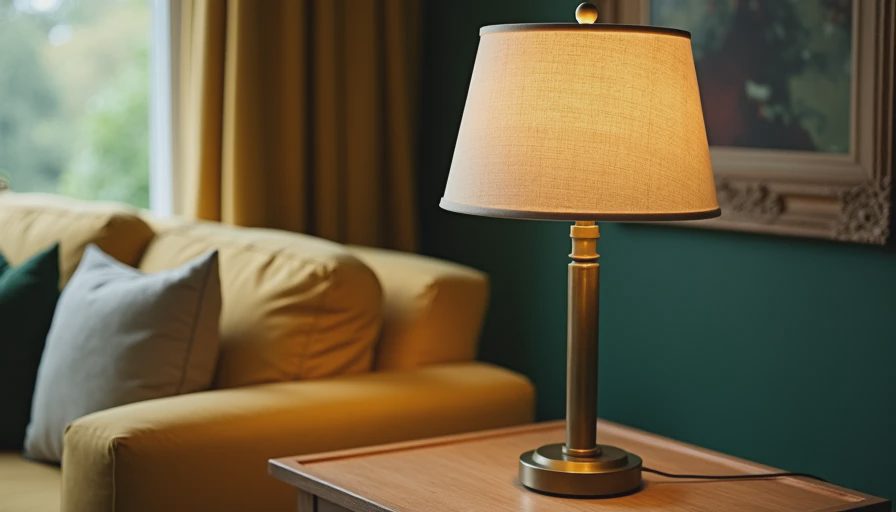
The shade is not just a cover. It is the part that decides whether the room glows or glares. A white linen or textured fabric shade spreads light more softly and usually works well in family rooms where you want an easy, relaxed feel. A tighter weave gives you more control and less spill. Clear glass can look elegant, but it often puts the bulb on display, which is great only if the bulb itself is attractive and dimmed low.
Bulb choice matters just as much. For most homes, warm-white LEDs in the 2700K to 3000K range feel right in the evening. If the room has warm wood tones or traditional furniture, 2700K usually looks better. If the space is cleaner and more contemporary, 3000K can feel a little crisper without turning cold. I also prefer a high color rendering bulb, ideally 90 CRI or better, so skin tones, textiles, and wood grain look natural. Dimmable bulbs are worth the small extra cost because they let the room shift from conversation mode to movie mode without swapping fixtures.
Use light to solve the room's worst corners
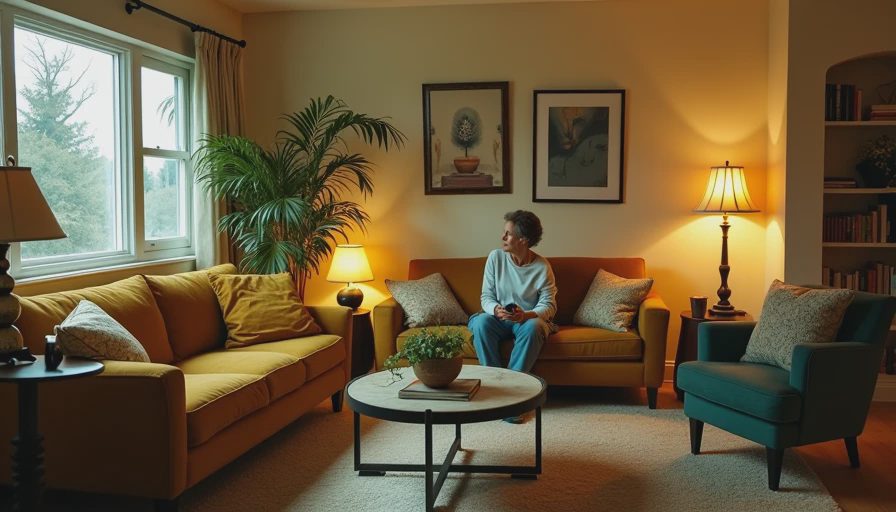
A lot of living rooms have one bad corner that ruins the whole composition. Maybe the sofa floats in the middle and the back corner goes dark. Maybe the fireplace wall is bright but the opposite side of the room feels forgotten. Maybe the TV throws a little glare and everyone squints. This is where living room lamps become problem-solvers instead of accessories. Put a floor lamp in the dead corner and the whole room usually feels larger. Put a pair of table lamps on a long credenza and the wall stops looking empty. Put a lamp near the reading chair and the chair suddenly feels like a destination instead of leftover furniture.
In a typical 14-by-18 family room, I like at least one light source lower than eye level on each side of the seating area. That does not mean symmetry has to be perfect. It means the room should feel balanced when you sit down. The brightest point should not always be the ceiling. When the light comes from a few different heights, faces look softer, the furniture reads more clearly, and the room feels more finished at night.
What to buy this weekend and where to spend more
If you are shopping on a budget, start with function and upgrade the finish later. IKEA has plenty of basic table lamps that work well for a first pass. West Elm, Pottery Barn, and CB2 usually sit in the middle ground with better styling and a wider range of scale. Visual Comfort, Arteriors, and similar higher-end lines often justify their price with heavier bases, better shades, and details that hold up in a room you use every day. None of those brands is mandatory. What matters is whether the lamp solves the lighting problem cleanly.
Spend more when the lamp sits in the visual center of the room, when the base needs to be heavy enough to feel stable, or when the shade needs to hide the bulb without killing the glow. Save money when the lamp tucks behind a chair or lives in a secondary corner. If you are choosing between a decorative piece that looks good unlit and a simpler lamp that makes the room feel better every night, pick the better light source. That is the choice that pays off.
If your room still feels flat after sunset, start with living room lamps that fit the seating plan, then adjust shade, bulb, and height before you buy a second set. That small sequence solves more bad living rooms than a full renovation.