When a living room feels harsh at night, the problem is often not the sofa or the rug. It is the lack of a softer layer at seated eye level. Living room table lamps do that job better than most homeowners expect, because they create pools of light for reading, conversation, and quiet time after the overheads go off. In a room that feels right, the lamps are not decoration first and lighting second. They are part of the plan.
Why one bright ceiling light is never enough
A ceiling fixture spreads light from above, which is useful for cleaning and moving around, but it rarely flatters faces, finishes, or the corner where someone actually sits. That is why a living room with only recessed cans can feel washed out even when it is technically bright enough. Table lamps solve a different problem. They pull the light source down closer to the furniture, which makes shadows softer and gives the room a sense of depth.
In practice, I like to think in layers. The ceiling provides the general wash, floor lamps fill larger gaps, and lamps near the sofa or reading chair add the human-scale glow that makes a room feel finished. If the living room is the place where a family watches TV, talks, and reads, this lower layer matters more than another row of cans. A pair of warm lamps can do more for the room than a pricey art piece if the room is still visually flat after dark.
How to size living room table lamps for the furniture around them
A good rule for living room table lamps is to keep the overall height around the low-to-mid 20s or low 30s in inches, depending on the table. The top of the shade should usually land close to seated eye level, so the bulb does not glare across the room. For many sofas, that means a lamp between 26 and 32 inches tall works well. For a lower-profile sectional, you may want to stay closer to 24 to 28 inches.
Scale matters as much as height. A tiny lamp on a large end table looks accidental. A bulky lamp on a narrow side table crowds the surface and makes the room feel cramped. On a 90-inch sofa, I often like a 28-inch lamp on each side table because it feels balanced without blocking sightlines. If the room is small, one good lamp on a console behind the sofa can be enough, as long as the shade is wide enough to read as furniture, not clutter.
The easiest test is simple: stand in the room and look at the shade from the sofa and from the doorway. If the lamp looks squashed, top-heavy, or too short for the furniture around it, the room will always feel a little off.
Where the light should land, not just where the lamp should sit
Placement is where most rooms either click or miss. A lamp can have the right height and still fail if the shade sits too far behind the seat or too close to a mirror. The goal is to keep the bulb hidden from normal view while sending light onto the book, the coffee table, or the face of the person across from you.
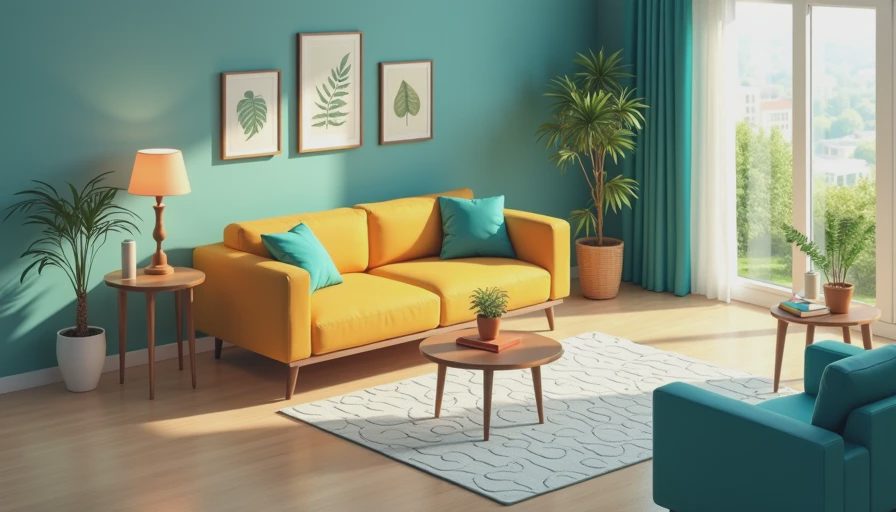
For side tables, I like the lamp base near the back third of the surface, not centered like a trophy. That leaves room for a drink, a remote, or a stack of books, and it keeps the shade close enough to the seated person to be useful. If the lamp is beside a chair, the bottom of the shade should be high enough that the seated person does not look straight into the bulb. If the lamp is behind a sofa, angle matters even more, because a poorly placed shade can create glare in the TV reflection.
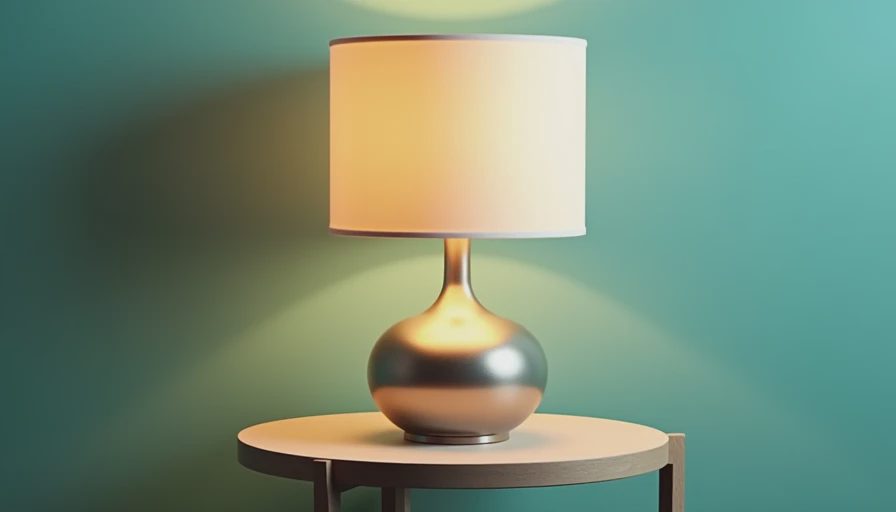
This is also where fabric shades help. Linen and paper soften the source, while glossy or clear shades demand more careful bulb selection. In a room with lots of reflective surfaces, like lacquer, glass, or polished stone, a softer shade usually looks better and feels easier on the eyes.
Bulbs and dimmers for living room table lamps
Light color changes the whole mood. For most homes, 2700K LED bulbs are the safest starting point because they read warm without turning muddy. If you want the room to feel a little crisper in the afternoon and still comfortable at night, 3000K can work too. I would avoid cool 4000K bulbs in a living room unless you have a very specific contemporary look and enough other warm surfaces to keep the room from feeling clinical.
Brightness matters just as much. Many shaded lamps work well with a 60-watt equivalent LED, roughly 800 lumens, but dark shades or large rooms may need more. The point is not to blast the room. It is to give the lamp enough output to be useful without turning into a spotlight. A simple dimmer changes everything. Plug-in dimmers from Lutron and similar brands are cheap insurance, and smart bulbs from Philips Hue or WiZ can help if you want scenes for reading, movie night, and late-night cleanup.
If you can only change one thing, change the bulb and add dimming before you buy another fixture. A mediocre lamp with the right lamping usually beats a beautiful lamp with a harsh bulb.
Matching the shade and base to the rest of the room
This is where style meets physics. A drum shade throws a cleaner, more even glow. An empire shade sends more light downward and can be useful when you want the table surface brighter than the ceiling. A tall ceramic base feels more relaxed and traditional, while brass, blackened steel, and stone read sharper and more architectural. None of that matters if the room is already fighting itself. The lamp should repeat one finish or material that already exists in the space, but not copy everything in sight.
In renovation work, I often see people choose lamps that are pretty on their own but wrong for the room. A shiny base in a room full of matte paint can look noisy. A tiny neutral lamp in a room with big, dark furniture can disappear. The best choice usually sits between those extremes. Think of the lamp as a bridge between the sofa, the table, and the rest of the lighting plan.
A simple way to buy without getting burned
If you are shopping online, measure the table first, then the lamp height, then the shade width. A rough starting point is 10 to 14 inches of shade width for many living rooms, with a base that leaves enough room to place a drink beside it. Spend the money where you will actually see it. A decent pair of lamps might run $120 to $300 total, while better designer pieces can climb well past that. The bulb and dimmer are still part of the budget, and they are not the place to cut corners.
When living room table lamps are chosen with scale, placement, and bulb color in mind, the room stops feeling like a collection of furniture and starts feeling like a place people want to stay. If your living room still feels flat after that, the next step is not another decorative object. It is a better lighting plan, with the ceiling, the walls, and the lamps working together.