If you're browsing for pendant light shades and wondering why some rooms feel warm while others feel like a waiting room, the answer isn't the cord or the bulb. The shade controls everything: how far light travels, how soft it falls, and how your face looks across the table. Choosing pendant light shades with intention transforms a flat, harsh room into a place you want to linger. Understanding how a shade shapes your light is the single highest-value thing you can learn in a lighting renovation.
What a Shade Actually Does
A shade is a tool, not a lamp cover. Light gets transmitted, absorbed, or reflected as it passes through. A dark metal cone sends most light downward, creating a focused work pool. A white fabric shade diffuses light everywhere, softening shadows and making a room feel larger. The same bulb behaves completely differently depending on what surrounds it.
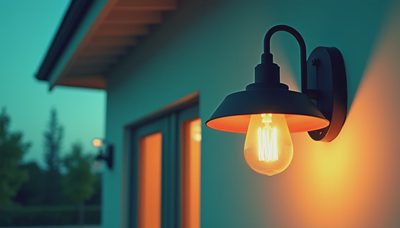
I saw this in a Montrose kitchen remodel. The client wanted a brighter bulb, but the real problem was a bare Edison bulb spraying glare. We swapped in an opal glass shade, and the room felt calmer instantly. Some pendant light shades are designed to eliminate glare, and that matters more than almost anything. Bare bulbs at eye level create disability glare; the right shade hides the filament while keeping the light in the room.
The Three Materials That Solve 90% of Rooms
After two hundred residential projects, I rely on glass, metal, and fabric for shades.
Glass is the workhorse. Opal and frosted glass diffuse light evenly and wipe clean in seconds. A classic opal globe from Rejuvenation or Schoolhouse runs $60 to $150. It works in kitchens, bathrooms, and hallways because it doesn't collect dust and turns the bulb into a soft glow.
Metal is the spotlight. Steel, brass, or aluminum aims light like a small floodlight, creating crisp shadows over an island or reading nook. The downside is harshness, so add a dimmer. Prices range from $40 at big-box stores to $400 for a hand-spun brass piece from Visual Comfort.
Fabric is the makeup light. Linen, cotton, and silk wrap the room in warm, diffused light. Loose linen from West Elm casts a dappled pattern and flatters skin tones. A fabric shade over a dining table makes everyone look healthier; budget $80 to $250.
When you compare pendant light shades side by side, the material difference is obvious.
How Size, Ceiling Height, and Layering Change Your Choice
Choose a shade about one-third the length of the table or island. A 12-inch shade over a six-foot island disappears; a 16-inch shade anchors it. With an 8-foot ceiling, hang the bottom 30 to 32 inches above the counter. For a 10-foot ceiling, go 32 to 36 inches, but keep the line of sight clear. Take a photo at seated eye level to see if the shade blocks the person across from you.
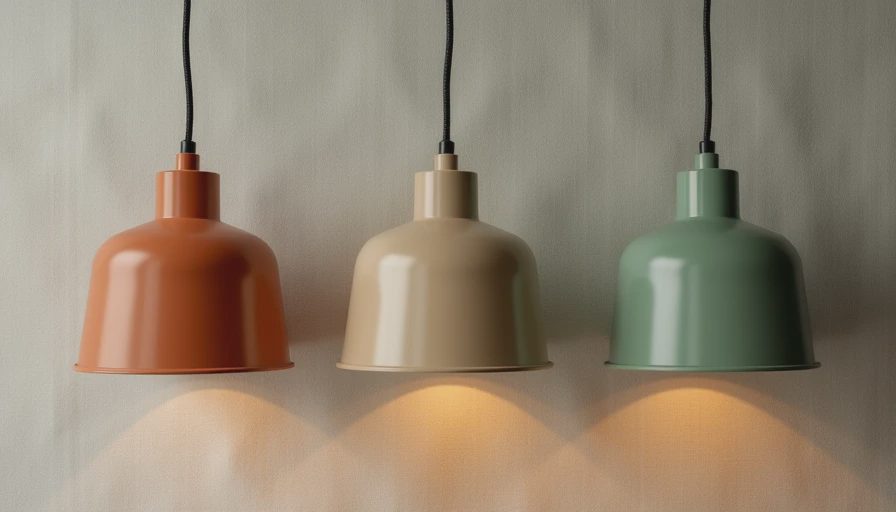
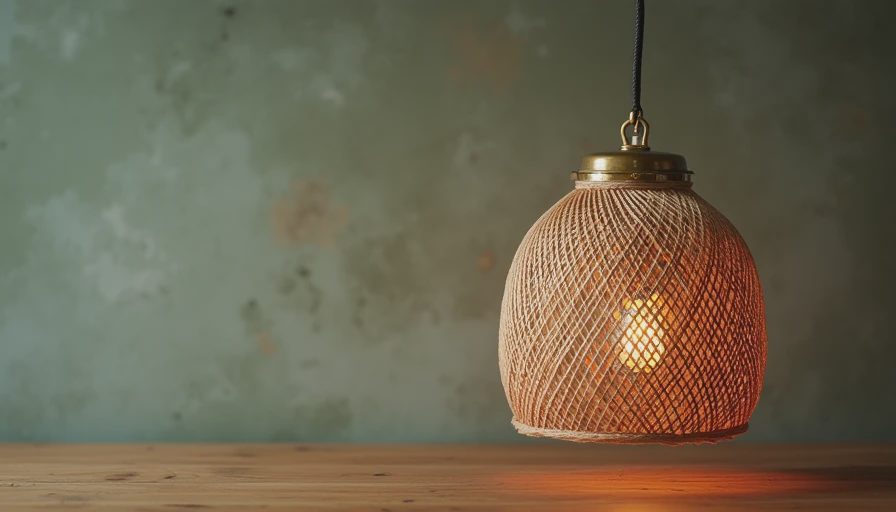
Layering works the same with pendant light shades as it does with recessed cans and sconces. If downlights handle ambient light, your pendant can be a focused task light. If the pendant is the only source, choose a diffusing shade. Buy a shade that matches the role, not the trend; a rattan shade looks great in photos but gives terrible task light.
Real Room Fixes
A client in The Woodlands had three bare metal cones over a nine-foot island. The light pools didn't overlap, leaving dark stripes. We replaced the cones with wider opal globes and added a dimmer. The room went from surgical to warm for about $300 in materials.
Another homeowner had a dark bronze shade over a dining table. It threw all light onto the table center, leaving faces in shadow. A white linen fabric shade fixed it; the room now works for both weeknight dinners and holiday gatherings.
Entryway: A narrow hallway with a bare bulb at the top of the stairs caused harsh shadows. We hung a bubble-glass pendant with a wide cutoff that throws light forward down the steps. Problem solved.
Shades vs. Bare Bulbs
In a home office or child's bedroom, a shade isn't optional. Bare bulbs create veiling reflections on monitors and eyestrain. Pendant light shades also protect the filament and prevent breakage in high-traffic areas.
Color rendering still depends on your bulb, not the shade. A CRI of 90 or higher, paired with clear or frosted glass, keeps whites accurate. Amber resin warms everything up.
Quick Checklist Before You Buy
Run through this checklist first. Decide the job: task, ambient, or accent. Measure the surface below and pick a shade roughly a third of its width. Check ceiling height; a flush mount is safer on low ceilings, but a short stem works too. Pick a shade that hides the bulb at seated eye level. Add a dimmer, because even the best pendant light shades need dimming. Budget for the bulb: a quality 2700K dimmable LED costs $8 to $15. Skip the $2.50 bargain bulbs; they flicker.
I've never had a client regret a shade that solved a specific problem, but I've had clients rip out decorative cages that made them hate their kitchens. You don't need five shades — you need the right one. The right shade should feel like an obvious extension of your room's architecture, not an afterthought.