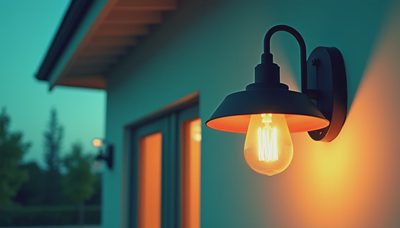
Pendant lighting gets a lot of attention in design magazines, and for good reason. The right fixture over a kitchen island or bedside table does more than just brighten a spot — it sets the whole mood of the room. But I've seen plenty of beautiful pendants installed poorly, and the result is glare, shadows, or a ceiling that feels lower than it should. After working on over 200 residential projects, I can tell you this: understanding a few simple rules about height, spacing, and light output makes all the difference. In this guide, I'll walk you through pendant lighting the way I explain it to clients — from the layers of light to the exact inches you should measure before drilling that first hole.
Why Pendant Lighting Works (or Doesn't)
A pendant lighting scheme works when it's part of a layered plan. That means ambient light from ceiling fixtures or recessed cans, task light where you read or cook, and accent light for walls. Pendants are usually the task layer. Over a kitchen island, they focus light right on the countertop, so you can chop vegetables without casting shadows from your own body. Without a dimmer, though, a pendant can feel like a spotlight in an interrogation room. Install a compatible dimmer switch and pair it with a dimmable bulb — that's the single biggest upgrade you can make. When you dim the lights to 40 percent, the fixture becomes a warm architectural detail instead of a harsh overhead.
How High to Hang a Pendant
The most common mistake I see is hanging pendants too high. The general rule: 30 to 36 inches between the bottom of the fixture and the countertop for a kitchen island. For a dining table, it's usually 30 inches from the tabletop to the bottom of the shade. For pass-through spaces like hallways, aim for at least 84 inches from the floor to avoid bumping heads. The key is to measure from the bottom of the fixture, not the cord. If you have a multi-level ceiling or your island is deeper than typical, adjust by a few inches. In a room with 9-foot ceilings, you have more freedom than in a galley kitchen with low drops.
Scale and Spacing: How Many Pendants?
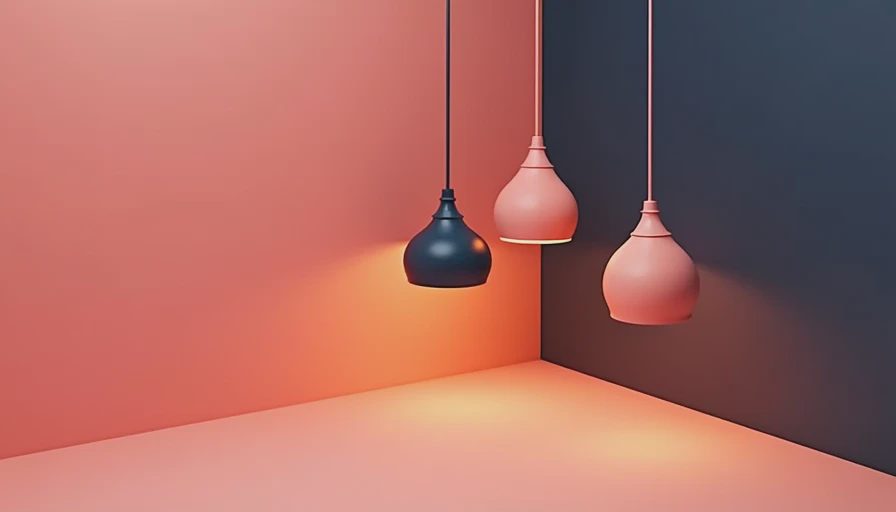
Choosing the right number depends on the length of your island. For a 6-foot island, three mini pendants give a well-balanced look; for a 4-foot island, two smaller fixtures work better. A general formula: measure the island length in inches, subtract 12 inches from each end, and divide the remaining space by the number of pendants plus one. That gives you the spacing between fixtures. If you're using one oversized pendant center the shade over the middle of the island, not over the sink. Spacing matters for visual balance, but the real reason is uniformity of light. Wide cone-shaped shades and frosted glass spread light better than tightly-focused ones.
Choose the Right Shade Material
The shade changes everything. A solid metal shade gives off downlight only, great for a task-focused workspace, but it can make the rest of the room feel dark. A glass globe gives off light in all directions, which helps fill the ambient layer but can create glare if the bulb is bright and exposed. My rule of thumb: in kitchens, combine a pendant with either up-light or a translucent diffuser. For living rooms, I favor fabric shades in a pendant lighting plan because they soften the glow and reduce harsh contrast. Linen and cotton shades cast a flattering warm light, while polished metal tools are more utilitarian.

Dimming, Bulbs, and Color Temperature
Pendant lighting often comes with a standard candelabra or E26 socket. Choose LED bulbs with a color temperature around 2700K to 3000K for a warm, residential feel. Skip anything labeled "daylight" or 5000K, which looks clinical in a home. If you want to be precise, check the CRI — aim for 90 or higher so your food and paint colors look true. Dimmers, as I said, are non-negotiable. And think about the bulb shape, too. A large globe bulb can peek out of an open shade in a way that ruins the clean lines of the fixture. Shop for fixtures with built-in LED modules if you want maintenance-free color consistency across the room.
Pendant Lighting in Rooms Beyond the Kitchen
Though kitchen islands are the classic spot, pendant lighting shines in entryways, stairwells, and over nightstands. In a foyer, one statement pendant at the center of the ceiling creates a sense of arrival. Above a staircase, place pendants at the landings so you get light on every level. For a bedside, hang a mini pendant at the same height as a table lamp and connect it to a switch at the door. That way you can turn it off from the bed. Many clients are surprised to learn that a pendant in a windowless hallway can act as the ambient eye of the room when paired with a wall sconce.
Common Pendant Lighting Mistakes to Avoid
Finally, let's look at a few quick mistakes. Hanging the fixture too close to the ceiling makes the cord look awkward. Leaving the cord bare against a vaulted ceiling creates a visual line that draws the eye. Use a cord kit or a longer downrod instead. Another mistake: using too many small pendants over a long island, which creates a dotted line of light that feels busy. Space them out and choose a consistent finish across the room. And don't forget to put every pendant on its own dimmer circuit if you can.
After you decide on your pendant lighting plan, think like an engineer: measure twice, choose the right bulb, and always dim. If you want a full lighting layout for your home, I put together a room-by-room guide on this blog — or reach out and we can dive into your project.