
A plug in wall sconce is one of the easiest ways to add layered light without opening drywall, but it works only when the details are right. I have seen plenty of rooms improved in an afternoon and just as many made worse by a cord that hangs in plain sight or a fixture that lands too high. The goal is not to hide the fact that it plugs in. The goal is to make the room feel intentional, balanced, and comfortable after dark.
For homeowners in a renovation, it is a useful bridge between temporary and permanent lighting. You get the wall-wash, reading light, or accent light you need now, then decide later whether the space deserves a hardwired fixture. If you treat the fixture like part of the architecture instead of a last-minute add-on, a plug in wall sconce can look surprisingly finished.
Why a plug in wall sconce works so well
The biggest advantage is simple: it gives you wall-mounted light where a junction box does not exist. That matters in older homes, guest rooms, finished basements, and bedrooms where the outlet is already near the bed or dresser. In those spaces, the lighting problem is often not brightness. It is direction. Table lamps spread light outward and eat surface area. Overhead cans can flatten a room. A wall fixture solves both by lifting the source off the furniture and sending light where you actually need it.
A plug in wall sconce also lets you test a lighting idea before you commit to construction. If you are unsure whether a reading light belongs beside the bed or whether a hallway needs more rhythm, this gives you a low-risk way to find out. I like that flexibility. It is the same reason designers mock up art placement with painter’s tape before hanging anything expensive.
The catch is that the fixture still has to obey the room. Shade size, arm length, and mounting height matter just as much as they do with hardwired lights. If the light feels tacked on, the cord is usually the reason.
Where to use one in a real home
The best places are the ones where a focused pool of light improves daily life. Beside a bed, the fixture clears the nightstand and keeps the room feeling calmer. In a reading chair, it can replace a floor lamp that never quite lands in the right spot. In a hallway, a pair or trio of sconces can break up a long wall and make the house feel less like a corridor.
I also like them in guest rooms and secondary bedrooms because they solve the lamp clutter problem fast. For a small powder room, a wall fixture can add character, but only if it does not crowd the mirror or fight the vanity light. In a nursery, a dimmable wall light can be easier to live with than a bright ceiling fixture when someone is half asleep at 2 a.m.
Think about the task first. Do you need reading light, accent light, or just a softer glow in the evening? Once you answer that, the right fixture style gets easier to spot. A plug in wall sconce is not the answer everywhere, but in the right room it can do a lot of work with very little construction.
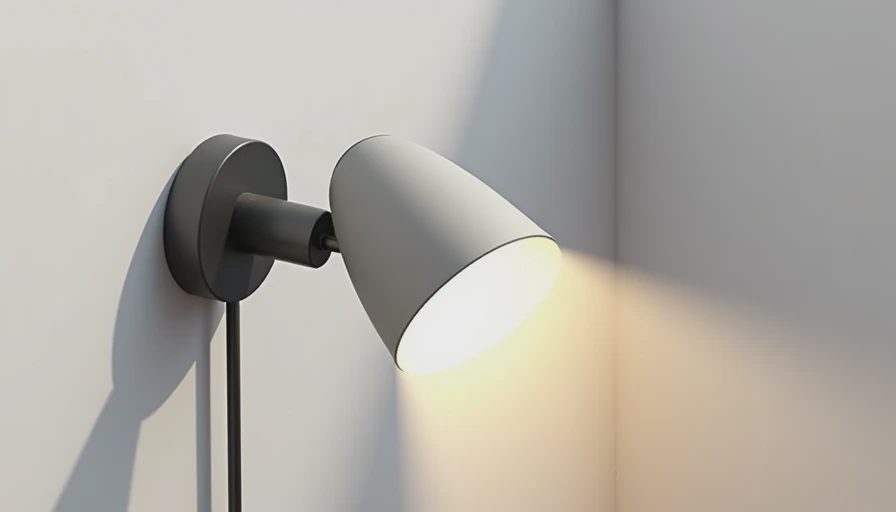
Placement details that make it feel designed
Mounting height changes everything. Too high, and the light feels detached from the furniture below it. Too low, and the beam can hit your eyes instead of the page or the room. For bedside use, I usually start by centering the fixture somewhere around eye level when seated, then adjust based on mattress height, shade shape, and how much of the bulb is exposed. That one decision has more influence on comfort than most shoppers realize.
Spacing matters too. If you are hanging two fixtures on either side of a bed or sofa, they should relate to the furniture, not just to the wall. The sconce should feel like it belongs to the bed frame or the upholstery line. A narrow shade beside a wide headboard can look lost. A large shade in a tight nook can feel heavy. Measure the wall, then compare the fixture width to the object it serves.
I also pay attention to what the light is doing on the wall. If the shade throws a soft wash upward and downward, it can make plaster, paneling, or painted drywall look richer. If it points directly out, it will be more functional but less atmospheric. That is fine if the room needs task light. It is a mistake if you were hoping for a cozy bedroom.
Cord management and switch control
This is where a plug in wall sconce either earns its keep or announces itself as temporary. The cord should disappear into the background. Paintable cord covers, slim cord channels, and careful routing along trim can do a lot. If the outlet is not where you want it, do not run the cord diagonally across the wall and call it finished. Move the visual line to a corner, a baseboard, or the back edge of furniture so the eye does not stop there.
Switch control matters just as much. A fixture with an inline switch is fine, but a wall-mounted plug-in dimmer or a smart plug can make daily use better. For reading light, dimming is worth the extra ten minutes of planning. For ambient light, a simple on-off control may be enough. What you want is easy access without a trip across the room every night.
If you are using a dimmable LED bulb, check that the dimmer and bulb play nicely together. A cheap mismatch can cause flicker, buzzing, or a tiny brightness range that feels useless. That is why I care about the electrical side as much as the style. The prettiest shade in the world will not save bad control.
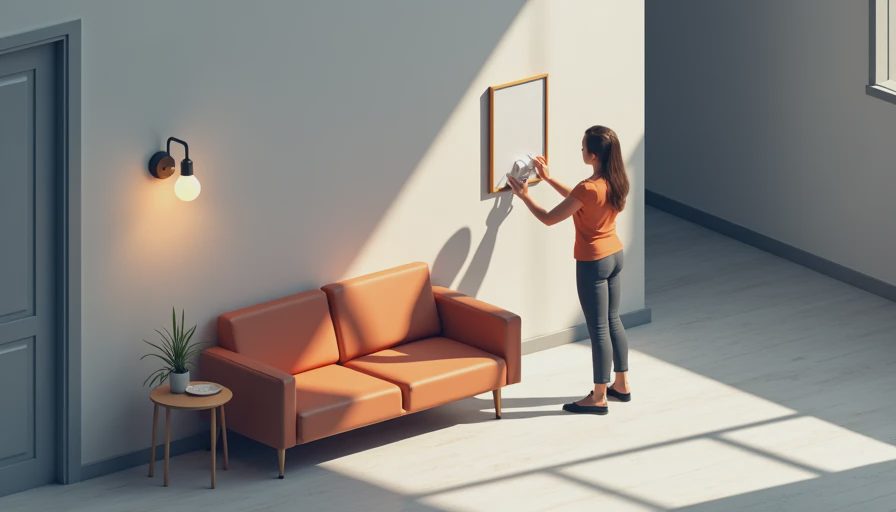
What to check before you buy
Before you order, look at the bulb base, shade depth, cord length, and finish. An E26 bulb base is common and easy to source, which helps if you want a warm 2700K LED in a bedroom or a slightly crisper 3000K tone in a hallway. Make sure the shade hides the bulb enough to control glare but not so much that the room turns dim. If the fixture will sit near a mirror, art, or a window, the finish should relate to nearby metals rather than compete with them.
UL listing or another recognized safety listing is worth checking, especially for a fixture that will be used often. If the manufacturer gives a maximum wattage, stay under it. Most modern LED bulbs will be well within range, but you still want the fixture rated for normal residential use. I also like to see a cord long enough to reach the outlet without strain, because tension at the plug eventually becomes visible in the wall line.
A plug in wall sconce is easiest to love when the materials do the heavy lifting. Linen shades soften light. Metal shades direct it. Milk glass gives a cleaner glow. Pick the one that matches the job, not just the picture online.
When plug-in is the right move
If you are renovating and the wall is already open, hardwired is usually the cleaner permanent solution. If you are renting, testing a layout, or trying to upgrade a room this weekend instead of next quarter, plug-in is the faster win. That is the real reason I recommend it so often: it lets you get good light now without waiting for a full electrical project.
The best use case is a room that needs one clear lighting job and does not yet justify construction. Bedside reading, a small sitting area, a hallway with no ceiling fixture, or a guest room that needs to feel more finished are all strong candidates. When the fixture is chosen with the room in mind, a plug in wall sconce can look deliberate enough that most people notice the light before they notice the cord.
If you want the room to feel designed instead of decorated, start with the task, place the light carefully, and hide the wiring with the same care you would give to furniture placement. That is the difference between an accessory and a lighting plan.