A three light pendant can be the right answer when a room needs structure without a bulky chandelier. I see it most often over kitchen islands, long dining tables, and two-story entries where a single shade feels too small and a row of recessed cans feels too flat. The trick is not just buying a pretty fixture. It is matching the scale, spread, and lamping to the room so the light lands where people actually use it.
Where a three light pendant works best
A three light pendant works best when you need three points of light but still want one visual statement. Over a kitchen island, it helps define the work zone and gives the counter more even brightness than a single decorative pendant. Over a dining table, it can echo the table shape and create a centered, calm composition. In an entry, it adds presence without the heaviness of a large lantern.
The room has to support the scale. If the ceiling is low and the furniture is modest, a compact fixture with slimmer shades usually looks cleaner than a wide cluster. If the room is open and the furniture is larger, the fixture can take up more visual weight and still feel balanced. That is why the same pendant can look elegant in one house and crowded in another.
A good rule is to think about the piece as lighting first and decoration second. If it only looks good from ten feet away, it is probably not the right fit.
How to size it so it does not look crowded
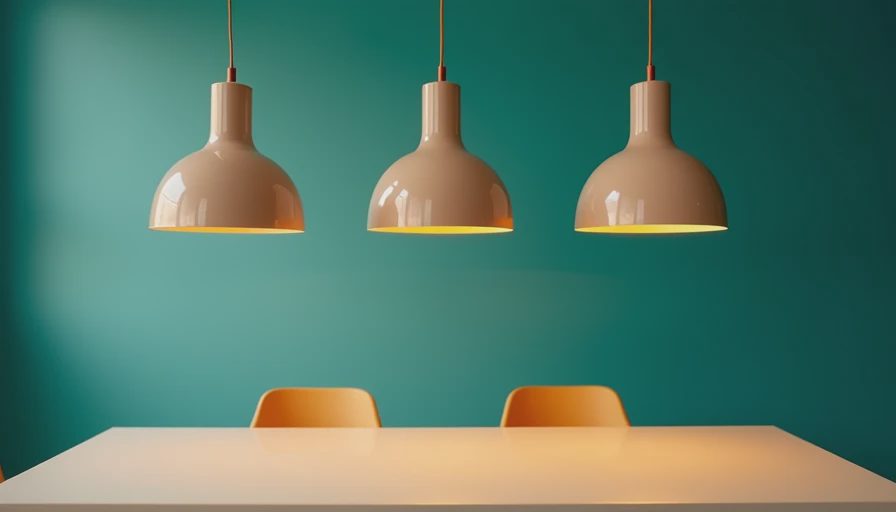
For a three light pendant over an island, the fixture should usually feel proportional to the furniture underneath it, not the whole room. On a 6- to 7-foot island, three smaller shades or globes can work well if the overall span stays controlled. On an 8-foot or longer island, you may need a larger fixture, wider spacing between shades, or a different layout altogether so the arrangement does not look squeezed.
I usually look at the outer width first. The fixture should leave breathing room at both ends of the island or table, and the three shades should not hang so close together that they read as one clump. If the shade diameter is large, the overall fixture can overwhelm the room fast. If the shades are too tiny, the piece can feel like jewelry with no substance.
This is also where ceiling height matters. An eight-foot ceiling can handle a cleaner, tighter profile. A nine- or ten-foot ceiling gives you more room for a taller stem or a more sculptural shape.
Hanging height and spacing that feel right
Hang a three light pendant high enough that people can see across the room, but low enough that the light does useful work. Over a kitchen counter, the usual starting point is about 30 to 36 inches from the countertop to the bottom of the fixture. Over a dining table, a slightly lower hang can feel intimate as long as sightlines stay clear. In an entry, the key is clearance. No one wants to duck under a fixture every time they walk in.
Spacing between the three light sources matters as much as height. When the shades are too close, the light pools together and the fixture loses definition. When they are too far apart, the composition can feel scattered. That balance is why a catalog photo is not enough. A good layout considers the exact length of the island, the ceiling height, and where the person standing at the counter will be looking.
The best setups create a soft rhythm: light, shadow, light. You notice the effect more than the hardware.
Bulb choice, color temperature, and dimming
The right bulb turns a three light pendant from decorative to useful. For most homes, 2700K to 3000K is the safest range. It gives a warm, comfortable look without sliding into the yellow tone that makes stone, wood, and white cabinets feel muddy. I also prefer high-CRI LED lamps, ideally 90 CRI or better, because they render skin tones, countertops, and cabinet finishes more naturally.
Dimming is worth planning from the start. A dimmable LED lets the same fixture handle breakfast, homework, and evening ambience. If the pendant is over a kitchen island, you may want it brighter during prep and softer after dinner. If it hangs over a dining table, the dimmer becomes even more important because the fixture is doing both visual and mood work.
Globe styles spread light differently than opaque metal shades. Clear glass looks lighter but can show the lamp source. Frosted glass softens the glare but can reduce sparkle. That is a design choice, not just a style choice.
Style choices that keep it from feeling dated
A three light pendant can skew traditional, modern, or somewhere in between depending on the details. Thin metal frames feel lighter and more architectural. Opal glass reads softer and works well in transitional kitchens. Clear glass and exposed bulbs can feel lively, but only when the rest of the room is simple enough to absorb the visual energy.
The safest way to avoid a dated look is to keep the shape honest. If the room already has a lot of trim, crown, or decorative hardware, the pendant should not compete with all of that. If the kitchen is very minimal, a more sculptural fixture can add the personality the room needs.
This is where I tell homeowners to stop shopping by screen grab alone. A fixture that looks perfect in a styled photo may be wrong for your cabinet finish, ceiling height, or table size. Think in terms of proportion, not trend.
Before you buy, check these details with your electrician
Before you order a three light pendant, confirm the canopy size, the hanging adjustment range, and whether the fixture works with a dimmer. Ask how it is wired, where the junction box will land, and whether the ceiling support is adequate for the weight. If you are replacing an older fixture, the electrician may also need to move the box slightly so the piece centers correctly over the island or table.
Price can vary a lot. A simple production fixture might land around $150 to $400, while better-designed pieces from brands like Hudson Valley, Visual Comfort, or Hubbardton Forge can run well higher depending on finish and scale. Labor for a standard swap is often a few hundred dollars, but relocations and new wiring add cost quickly.
If you want the room to feel finished after dark, do not treat the pendant as an afterthought. The right one gives you balance, better task light, and a cleaner visual line across the room. That is why a well-chosen three light pendant can change a space more than another coat of paint ever will.