
A wall light does more than fill a blank wall. It changes how a room reads after dark, softening edges, reducing glare, and giving you a second layer of light when overhead cans feel flat. In a renovation, that matters. Rooms with only ceiling light often look harsh at night. Add the right fixture, and the same room can feel calmer, wider, and easier to live in. The goal is not decoration first; it is useful light that also looks clean on the wall, and it should support the room instead of competing with it.
Why it works when ceiling light fails
The right wall light is rarely the brightest source in the room. It sits between ambient and task lighting, which is why it can make a hallway friendlier or a living room feel more finished. I look at what the eye sees first. If a lamp throws light across a textured wall, the surface gains depth. If it points straight at you, the room feels flatter and harder to relax in.
In Houston remodels, I often see big open rooms that still feel empty at night because all the light comes from above. A pair of sconces near a fireplace or a stair landing fixes that fast. The room gets a sense of edges, and the architecture finally shows up after dark. That is a better use of electrical money than adding another can that nobody notices, and it keeps the ceiling from looking crowded.
Where to put it first
In a long corridor, a wall light can keep the path even without blasting the whole ceiling. Hallways are about rhythm, not raw brightness, so spacing matters more than watts. On a stair wall, it helps people read the steps and feel grounded. Beside a bed, it replaces the need to reach for a lamp on a crowded nightstand.
I usually start with the places where glare hurts most. Bathrooms, bedside walls, entry halls, and accent walls are the usual winners. If a room has art, millwork, or stone, a well-placed fixture can wash those surfaces and make expensive finishes actually look expensive. If the wall is plain drywall, the same light may do less, so think about what it will strike before you buy it.
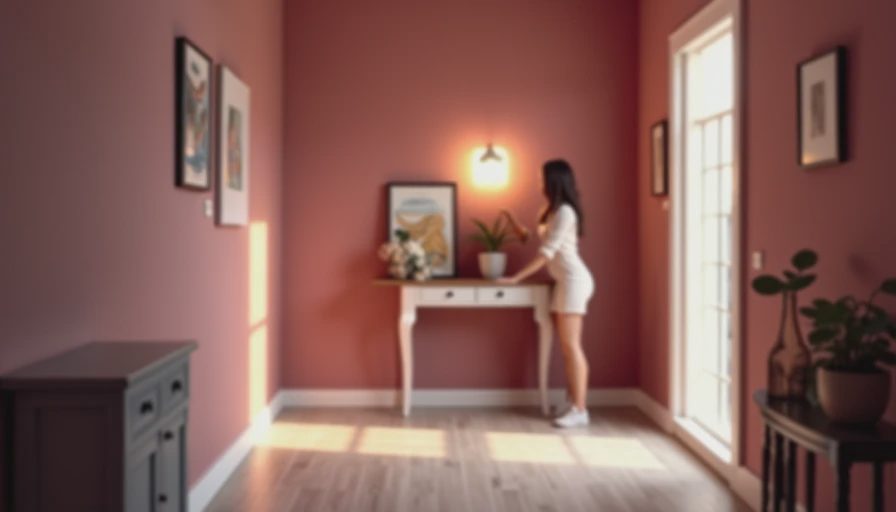
How high and how bright
If you want a wall light to feel intentional, mount height matters more than style. For general residential use, I start around 60 to 66 inches from finished floor to the center of the fixture, then adjust for ceiling height and furniture. That keeps the source away from direct sightlines while still giving useful spread. In a bedroom, I may go a little lower if the fixture is meant for reading.
Brightness is the other half of the equation. A single decorative sconce should not compete with your ceiling lights. For most rooms, aim for a soft source you can dim rather than a hard punch of light you will resent later. LED lamps around 400 to 800 lumens are often enough for accent or hallway use, while a vanity setup needs more. More important than raw output is where the beam lands. If you can see the lamp from the main seating position, ask whether it needs a shade, a frosted lens, or a lower output source.
Bulbs, shades, and finish
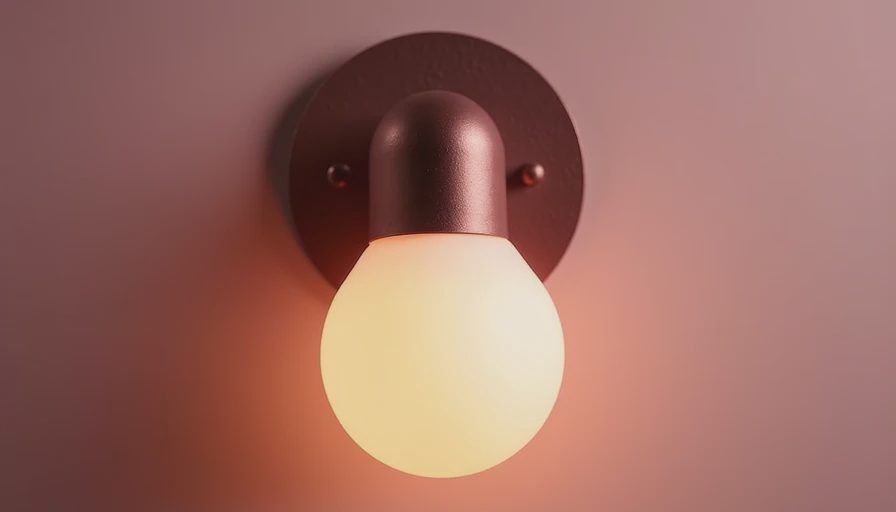
The wall light isn't just a shell. The lamp inside controls color temperature, beam spread, and the way skin, wood, and paint read at night. For homes, 2700K is usually the safest starting point. It feels warm without going amber. If you prefer a cleaner look, 3000K can work well, especially in a modern kitchen or bath. I also pay attention to CRI, because low color quality makes even good materials look dull.
Shade choice changes the whole effect. A linen or frosted shade softens glare and makes the light feel calm. Clear glass looks sharper, but it shows the bulb and can be unforgiving in a bedroom. If the fixture is flanked by mirrors or glossy tile, I often prefer diffusion so the reflections stay controlled. Finishes matter too. Brass feels warmer, black reads graphic, and brushed nickel disappears more easily in a pale room.
Wiring and switching that make daily life easier
For most homeowners, a wall light is easiest to live with when it is tied to a dimmer. That one choice lets the same fixture handle bedtime, guests, and late-night trips without feeling harsh. In new construction, hardwiring to a wall switch is cleaner than a corded plug-in version. If the walls are already finished, a plug-in sconce can still be a smart move, especially in a rental or a room that needs light now.
I also like separate switching when a room has layered lighting. One control for everything usually means someone is stuck with too much light or not enough. A simple two-gang setup with a dimmer and a separate switch for the ceiling lights gives far more flexibility. That matters in bedrooms and hallways where a single switch often gets used at very different times of day. If you are using a smart system from Lutron or Leviton, keep the scene names simple so the room is actually easy to use.
Mistakes I see all the time
When I spec a wall light for a client, the biggest errors are usually the same: wrong height, too much brightness, and a finish that fights the room. Another common mistake is buying the fixture before the electrical box location is known. That can force a weird offset, a visible patch, or a cord that cuts across the wall. Measure the room, mark the sightlines, and confirm the box before you order.
If you are choosing a wall light for a remodel, I would rather see a modest fixture placed well than a designer piece in the wrong spot. Good lighting is a geometry problem first and a style problem second. Once the height, beam, bulb, and switch are sorted, the room starts to feel finished in a way people notice immediately, even if they cannot explain why.