Wooden bedside table lamps are one of the easiest ways to make a bedroom feel warmer without tearing into the ceiling or rewiring the room. The material matters more than most people expect. Wood softens the visual edge of a lamp, helps it blend with nightstands and flooring, and keeps the room from feeling like every surface is either white, black, or chrome. If you have ever walked into a bedroom that looked fine in daylight but felt cold after sunset, this is usually where the fix starts.
Why wood changes the feel of a bedside lamp
The reason wooden bedside table lamps work so well is simple: wood adds visual texture, and texture helps a room feel more relaxed. A hard, glossy lamp base reflects light in a sharper way, while wood tends to absorb and soften the look of the fixture. That does not mean every wood finish is rustic. A clear oak base can feel clean and modern, walnut can read richer and more architectural, and a painted wood base can disappear into a quieter bedroom scheme.
From a lighting standpoint, the base is only part of the story, but it sets the tone before the bulb ever turns on. If your room has a woven rug, upholstered headboard, or linen drapery, a wood base usually makes sense because it echoes those soft materials. If the bedroom already has a lot of visual weight, such as dark flooring or a heavy bed frame, a slimmer lamp in lighter wood can keep the nightstand from feeling crowded.
The most common mistake I see is buying a lamp because it looks nice in isolation, then discovering it is too tall, too shiny, or too bulky for a small table. In a bedroom, scale is not cosmetic. It changes how easy the lamp is to use, how much light lands where you need it, and whether the whole setup feels intentional or improvised.
Getting the height right at the nightstand
When wooden bedside table lamps sit beside the pillow, the shade should usually land somewhere around eye level when you are seated in bed. That does not mean everyone needs the same measurement, because mattress height, headboard height, and table height all change the equation. What matters is that the bulb is hidden from direct view and the light falls onto the book, not straight into your eyes.
A good starting point is a lamp that is roughly 24 to 27 inches tall for a standard nightstand, then adjust from there. If your bedside table is low, a shorter lamp with a wider shade often works better than a tall, narrow one. If the table is unusually high or the mattress sits up on a thick frame, you may need extra height just to keep the shade from disappearing behind the pillow line.
Think about reach too. A lamp should not force you to lean across the table every time you flip the switch or tap the dimmer. The best bedside setups feel effortless in the dark. If you have to fumble for the cord, the lamp is not doing its job.
Shade shape, brightness, and the kind of light you actually want
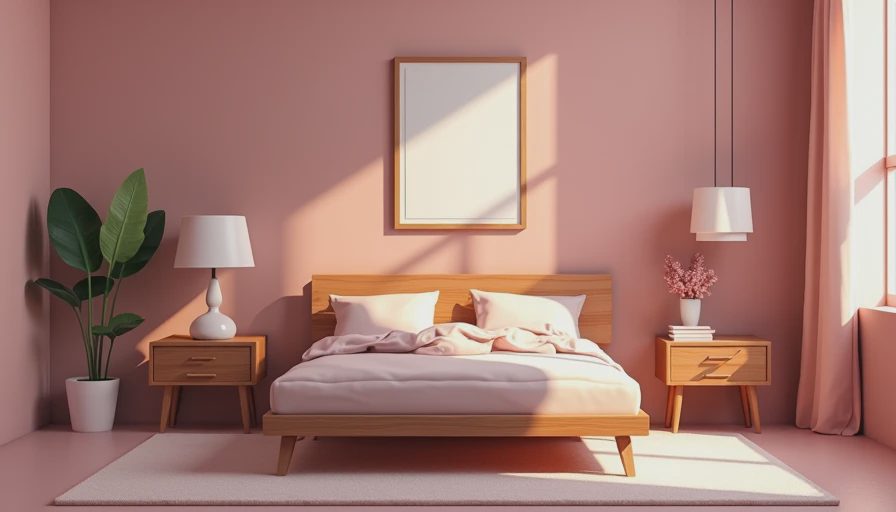
Shade shape controls how the room feels after dark more than most people realize. A drum shade gives a cleaner, more modern glow and keeps light from spilling too widely. A tapered shade can feel a little more traditional and often throws a more directed pool of light onto the table and the wall. Linen is usually the safest choice because it diffuses glare, which matters when the lamp sits only a few feet from your face.
Bulb color matters just as much. For bedrooms, 2700K is still the easiest place to start because it reads warm without turning the space orange. If the room has cooler paint colors or a lot of daylight from white trim and pale walls, 3000K can be a better compromise. I usually avoid bright white bulbs at the bedside unless the lamp is meant for tasks beyond reading, because they make the room feel more like a hallway than a retreat.
Dimming is worth paying for. A bedside lamp that can go from reading bright to low and restful is far more useful than a fixed-output lamp, especially in a shared room where one person wants to read and the other wants darkness. If the lamp has a rotary switch, inline dimmer, or touch control, make sure it feels sturdy rather than gimmicky.
Matching finish and style to the rest of the room
The best wooden bedside table lamps do not shout for attention. They either echo another material in the room or provide a calm contrast. Light oak can sit comfortably with Scandinavian or coastal interiors. Walnut can anchor a room with darker furniture and matte black accents. If the room already has a lot of wood, the trick is to vary the finish enough that the lamp does not look like a spare piece from the nightstand cabinet.
I also pay attention to whether the wood grain is meant to be seen. Some lamps celebrate the grain, which is great in a relaxed, natural room. Others are painted or stained to read smoother, which can work better in a more tailored bedroom. The point is not to match every wooden object exactly. It is to keep the bedside area from feeling visually noisy.
This is where many homeowners overbuy. They choose something decorative and then realize it does not support the actual way the room is used. A lamp can be beautiful and still fail if the shade throws glare, the base wobbles, or the switch is awkward at 11 p.m.
A quick buying check before you add it to the cart
I like wooden bedside table lamps that solve four problems at once: they fit the table, they hide the bulb, they dim well, and they feel stable when someone reaches for water or a phone. If the lamp base is too small, it can look lost on a larger nightstand. If it is too wide, it crowds the alarm clock, book, and charger that real bedrooms always seem to have.
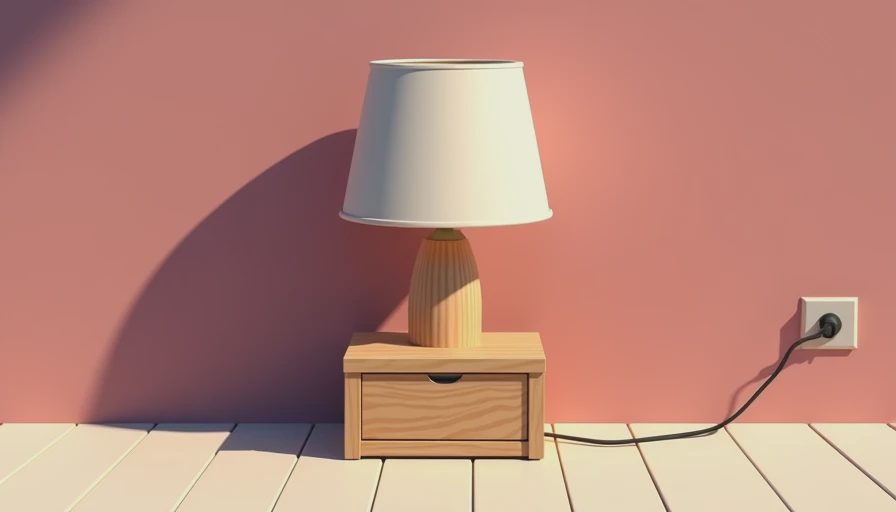
Cord length matters more than most product photos admit. So does switch placement. If the switch sits too close to the shade, it can be annoying to use; if it is too low, you end up reaching behind the table. In a renovated bedroom, I also like to think ahead about outlets and USB charging, because a clean bedside is easier to maintain when the lamp and the charging setup are not fighting each other.
Price is all over the map, but for a solid bedside lamp from a mainstream retailer, you will often see something in the $60 to $200 range. Designer options can go far beyond that. The right choice is the one that supports the room every night, not the one that looks best for ten seconds online.
What a finished bedroom should feel like
A good bedside lamp disappears into the routine. You notice the calm, the even pool of light, and the way the room stops feeling harsh after sunset. That is the real value of thoughtful lighting design. If you are shopping for a renovation or just trying to make a bedroom feel finished, start with scale, shade, and bulb color before you fall in love with a shape. Get those pieces right, and the room usually settles into place fast.