
Yellow lamp shades can make a room feel softer in one move, but they are not a universal fix. In my work as a lighting engineer, I reach for yellow lamp shades when a space needs warmth, not just more light. They can take the edge off a bright LED bulb, help a white wall read less sterile, and give evening light a little depth. The trick is matching the shade color, the bulb color temperature, and the room’s job. Get that combination right and you get calm, flattering light. Get it wrong and the room turns muddy, dingy, or strangely green.
Why the color works in some rooms and fails in others
A yellow shade filters the light before it reaches your eye, so the room sees less blue and more warmth. That is useful in living rooms, bedrooms, and corners where you want a softer glow than a bare bulb can give. It is less useful in a task space where you need true color and clear contrast, such as a home office or kitchen prep zone.
Yellow lamp shades work best when the rest of the room is already doing some visual heavy lifting. Wood floors, tan upholstery, brass hardware, and cream walls all help the color feel intentional. Put the same shade in a room full of cool gray paint and chrome, and it can look accidental. That is why I tell homeowners to think about the whole composition, not the fixture alone. A good shade should feel like part of the room’s palette, not a random accent.
Materials matter more than most people expect
The same color can behave very differently depending on the material. Linen gives you a textured, lived-in glow, and it is the easiest place to start. Parchment or paper shades spread light evenly but can look flat if the bulb is too cool. Opaque fabric creates stronger color, while lightly translucent glass gives a smoother, more modern result. If you want the yellow to feel rich rather than childish, avoid anything overly glossy.
This is also where budget shows. Basic shades often run $25 to $60. Better linen or pleated options can land around $80 to $180, and custom work can go beyond $200 if you need a special size. That spread matters because the edge finish, lining, and seam quality affect how the shade looks when the lamp is on and when it is off. In a room with daylight, the off-state appearance matters as much as the evening glow.

Pair the shade with the right bulb, not just the right lamp
A warm shade will not rescue a harsh bulb. For most homes, 2700K LED is the safest starting point. It gives you the familiar warm-white look without going orange. If the shade itself is deep yellow, 3000K can sometimes be cleaner because the color response stays more balanced. I rarely recommend daylight bulbs here; they fight the shade and flatten the room.
Dimming helps a lot. A dimmer lets you use the lamp for mood at night and still bring enough light up for reading or conversation. If the lamp sits near a sofa, pair the shade with a bulb that has good color rendering so skin tones do not go sallow. If you want a room to feel layered, use one table lamp with a yellow shade and keep nearby accent lights neutral. That contrast gives the room shape.
Where this look pays off room by room
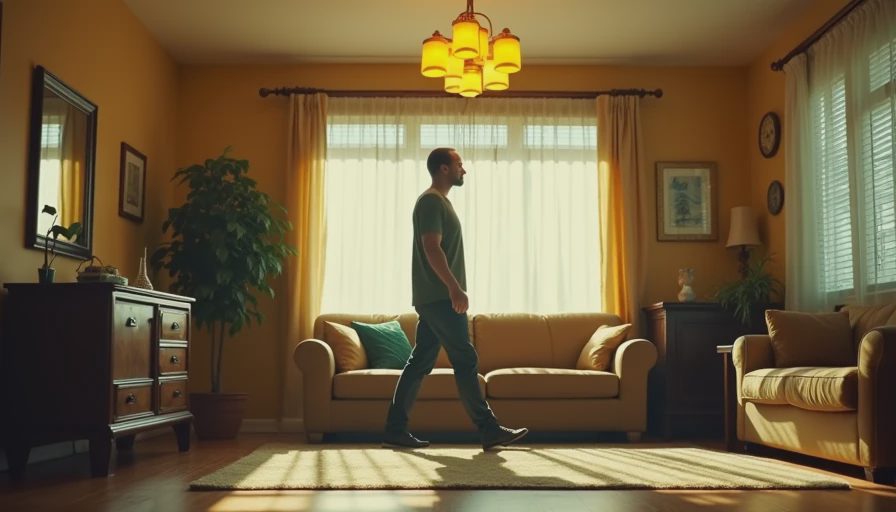
In a living room, yellow lamp shades are useful when the main overhead light feels too clinical. One pair on end tables can warm up a seating area without changing the whole house. In a bedroom, they work especially well with linen bedding, walnut furniture, or soft white paint. The room feels quieter at night, which is usually the point.
In an entry or hallway, a single lamp with this look can make the space feel welcoming before the rest of the house is even visible. I also like it in a reading nook, where the goal is not high brightness but comfort and focus. On the other hand, I avoid it in kitchens, bathrooms, and offices unless the lamp is purely decorative. Those rooms need more accurate light, and a colored shade can make countertop surfaces, makeup, or paperwork harder to judge.
The mistakes that make the shade look cheap
Most bad results come from three things: the wrong bulb, the wrong scale, or the wrong room. A shade that is too small makes the lamp look stubby, while one that is too wide can swallow the base. A shade that is too saturated can drift toward mustard and lose its softness. And a bulb that is too cool will make the yellow feel muddy instead of warm.
I see another common problem in rooms with strong green or blue undertones. Yellow lamp shades can pull those colors into the room in an unpleasant way, especially at night. If your walls already lean cool, test the lamp after sunset before buying two of them. Put it next to the chair, turn off the overheads, and look at the walls, the upholstery, and your skin tone. That five-minute test tells you more than a product photo ever will.
A practical buying approach from the field
If you are choosing this look for a renovation or just one room refresh, start with the lamp base you already own. Measure the harp or fixture so the new shade fits correctly, then compare the shade diameter to the widest part of the base. A balanced shade usually looks better than a decorative one with the wrong proportions. For most living rooms, a neutral base with a warm yellow shade is the easiest win because it lets the color do the work without fighting the rest of the furniture.
When I help homeowners shop, I tell them to think in this order: room function, bulb color, shade material, then shape. That sequence prevents expensive impulse buys. If the room needs calm evening light, yellow lamp shades can be a smart, low-risk move that changes the mood more than the floor plan ever could. If the room needs brightness and accuracy, save the color for another space and let the fixture stay neutral. That is usually the difference between a lamp that decorates a room and a lamp that improves it.