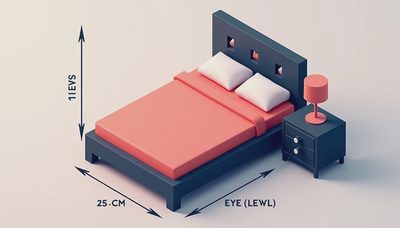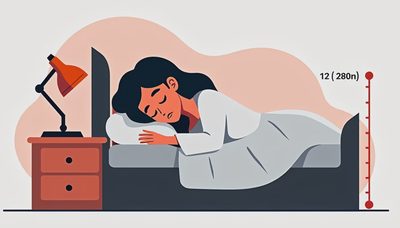
Getting the chandelier height above dining table right is less about following a decorating rule and more about controlling what people see, how light reaches the table, and how the fixture relates to the room. Hang it too high, and the dining area can feel disconnected. Hang it too low, and guests may look through a shade, bump their heads, or lose sight of one another across the table.
The commonly recommended starting point is 30 to 36 inches from the tabletop to the bottom of the chandelier when the ceiling is 8 feet high. That measurement is useful, but it is not a universal answer. Ceiling height, fixture size, shade opacity, table shape, and the height of the people using the room all matter. I treat the number as a starting position, then adjust it based on the room’s visual and practical needs.
The standard starting measurement
For a typical 8-foot ceiling, begin with the bottom of the fixture 30 to 36 inches above the tabletop. Measure vertically from the table surface, not from the floor. If your ceiling is taller than 8 feet, add approximately 3 inches of clearance for each additional foot of ceiling height. This keeps the chandelier from looking visually stranded near the ceiling.
For example, a dining room with a 9-foot ceiling often works well with a chandelier bottom around 33 to 39 inches above the table. With a 10-foot ceiling, 36 to 42 inches is a reasonable first test. These numbers are not a substitute for standing in the room, but they give you a reliable installation range.
The right chandelier height above dining table should also preserve clear sightlines. Sit in the dining chairs and look toward the person opposite you. If the fixture blocks faces, lower it only if the design still feels comfortable. If the fixture dominates your view or feels close to eye level, raise it a few inches. A temporary hook, strong cord, or painter’s tape can help you test the position before an electrician makes the final connection.
Adjusting for ceiling height and room scale
A tall ceiling creates a temptation to hang the chandelier too high. Homeowners often raise the fixture until it feels centered between the table and ceiling, but that can weaken the intimacy of the dining area. A dining chandelier should relate primarily to the table, because that is where the activity happens. The ceiling is the secondary reference point.
In a room with a vaulted ceiling, measure from the actual table surface to the bottom of the fixture, then consider the fixture’s overall visual weight. A long, sculptural chandelier may need to sit higher than a compact drum shade because its form occupies more vertical space. Conversely, a small pendant cluster can usually hang closer to the table without overwhelming it.
The chandelier height above dining table may also change when the ceiling slopes. Use an appropriately rated canopy or a sloped-ceiling adapter so the fixture hangs vertically. A chandelier that leans even slightly can make the whole installation look misaligned, particularly above a rectangular table.
Match the height to the fixture type
Different fixtures create different sightline problems. An open metal chandelier, such as a linear design with exposed arms, can often hang near the lower end of the recommended range because it does not create a solid visual wall. A large opaque drum shade may need more clearance, especially if the bottom edge sits directly in front of seated faces.
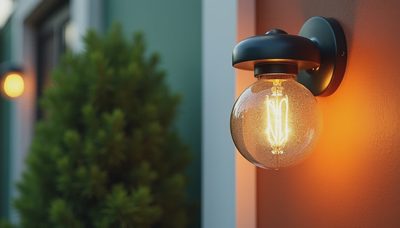
Glass shades require another kind of judgment. Clear glass can produce glare when a visible bulb sits at eye level, while frosted glass softens the source and allows a slightly lower position. If you can see a bright filament or LED directly from your usual chair, raise the fixture, use a lower-lumen bulb, or select a shade that shields the lamp.
The fixture’s light distribution matters as well. Downward-facing bulbs concentrate illumination on the tabletop, while upward-facing arms contribute more ambient light to the ceiling. A chandelier with only downward light may need help from wall sconces, recessed fixtures, or a nearby buffet lamp. The best chandelier height above dining table is the one that supports both the visual composition and the lighting layers.
Choose a size before finalizing the drop
Height and width work together. A chandelier that is too small may look lost even when it hangs at the correct elevation. A common sizing shortcut is to add the table’s length and width in feet, then convert that total to inches. A 6-foot by 3-foot table, for example, suggests a fixture about 9 inches wide using that basic formula, although many modern rooms comfortably use a larger fixture for stronger presence.
For a rectangular table, a linear chandelier should generally be shorter than the table, leaving visible tabletop at both ends. A fixture that nearly spans the entire table can make the room feel crowded. For a round table, a centered circular chandelier or globe cluster usually echoes the table shape more naturally than a long rectangular bar.
If the table has extension leaves, size the chandelier for the table’s most common configuration. A fixture centered over a small everyday table may look undersized when the table is extended for holidays, while a very large chandelier can overwhelm daily meals. In an open-plan room, also check its relationship to kitchen pendants and living room fixtures. Similar finishes or color temperatures can connect the areas without making them identical.

A practical installation test
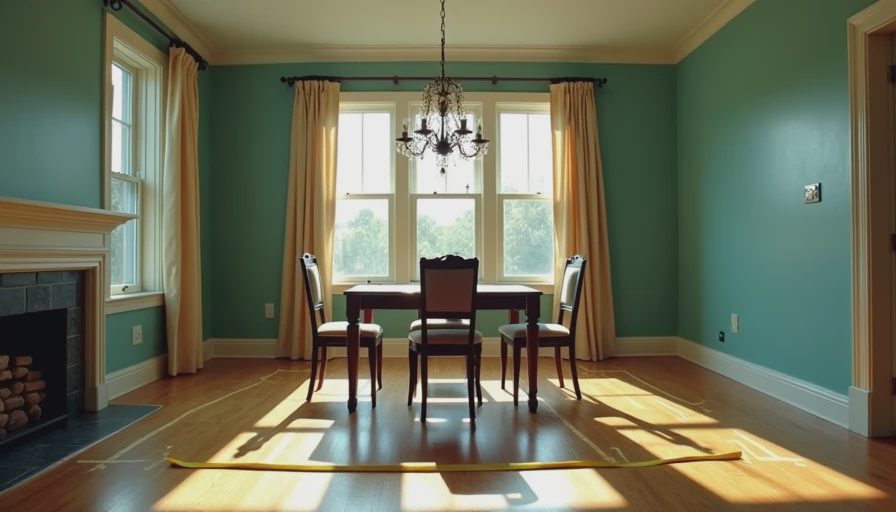
Before drilling or adjusting the chain, make a simple full-scale test. Place the table where it will live, position the chairs, and use a cardboard outline or an inexpensive temporary pendant at the proposed height. Walk into the room from the kitchen and entryway. Sit at every chair. Look at the television, windows, and people across the table.
Notice three things. First, can everyone see comfortably without leaning around the fixture? Second, does the light land on the center of the table instead of shining into someone’s eyes? Third, does the chandelier feel connected to the tabletop rather than floating near the ceiling? If all three answers are yes, the drop is probably close.
For a dimmable chandelier, test it at several brightness levels. A fixture that looks attractive at full brightness may create uncomfortable glare during dinner. Select bulbs with a warm color temperature, commonly around 2700K to 3000K, and use a compatible dimmer. Check the fixture’s labeling before choosing LED bulbs, especially if it has enclosed shades or a low-wattage socket rating.
Common mistakes to avoid
The most frequent mistake is measuring from the floor instead of the table. Floor-to-fixture dimensions can vary dramatically when table heights change, so they are not useful for setting the visual relationship. Another mistake is centering the chandelier on the room rather than the table. In an off-center dining area, the fixture should follow the table unless the furniture arrangement changes regularly.
Do not ignore door swings, tall chair backs, or sightlines from adjacent rooms. A chandelier may work perfectly when viewed from the dining chair but feel too low from a nearby hallway. Also avoid using a fixed 30-inch rule for every ceiling and fixture. The standard is a starting point, not a law.
Finally, confirm that the electrical box and mounting hardware can support the fixture’s weight. Heavy chandeliers may require additional framing or a properly rated support system. Turn off power at the breaker before any wiring work, and use a licensed electrician when the existing box, wiring, or ceiling structure is uncertain.
A balanced final decision
The ideal chandelier height above dining table creates a comfortable visual boundary without interrupting conversation. Start at 30 to 36 inches for an 8-foot ceiling, increase the clearance for taller ceilings, and then test the position from seated eye level. Adjust for shade opacity, fixture scale, glare, and the way the light reaches the table.
Good lighting is rarely about one isolated measurement. It is about layers: the chandelier provides the focal point and task light, while dimmed ambient fixtures and nearby accent sources keep the room from becoming a bright island in a dark house. Take five minutes to test the drop before installation, and you can avoid the expensive frustration of moving a ceiling box later. The best chandelier height above dining table is the position that makes the fixture present, useful, and almost effortless to live with.