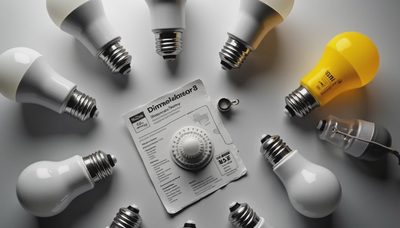
The right energy efficient led light bulbs do more than reduce electricity use. They shape how your kitchen looks at breakfast, how comfortable your living room feels at night, and whether colors in a bathroom mirror appear natural. As a lighting engineer, I start with the room and the visual task before choosing a lamp. A bulb is part of a lighting system, not an isolated purchase.
Start with lumens, not watts
Wattage measures electrical consumption, not brightness. Lumens measure the amount of visible light produced, so use lumens when replacing an old incandescent bulb. A 60-watt incandescent typically produced about 800 lumens. An LED using 8 to 10 watts can often produce a similar amount. A 100-watt incandescent replacement generally falls near 1,600 lumens, although packaging should be your final guide.
That distinction matters when a room feels dim. Replacing a 60-watt equivalent with another bulb labeled “60-watt equivalent” will not solve a fixture that needs more light. Instead, check the fixture’s maximum wattage and physical clearance, then select an appropriate lumen output. For a bedside table, 450 to 800 lumens is often comfortable. A kitchen work area may need a brighter lamp or several fixtures rather than one extremely powerful bulb.
The most effective energy efficient led light bulbs also distribute light well. An omnidirectional A19 lamp works nicely in an exposed table or floor lamp. A reflector or BR30 lamp sends more light downward from a recessed housing, which is usually better for counters and floors.
Choose color temperature for the room
Color temperature, measured in Kelvin, describes whether light appears warm or cool. Around 2700K creates a soft, familiar glow similar to traditional incandescent lighting. Around 3000K feels cleaner while still remaining comfortable in residential spaces. Bulbs near 4000K look noticeably cooler and can be useful in garages, utility rooms, or detailed work areas.
For most living rooms, bedrooms, and dining rooms, I prefer 2700K or 3000K. In a kitchen with warm wood cabinets, 3000K often keeps the finishes inviting while giving countertops enough clarity. Using 5000K lamps throughout a home can make a relaxing interior feel more like a retail back room, especially after sunset.
Consistency matters as much as the number itself. If six recessed lights share one ceiling, choose the same color temperature and, ideally, the same product family. Mixing 2700K and 4000K in one sightline creates visual tension that people often describe as “something feels off,” even when they cannot identify the cause.
Look beyond brightness with CRI
Color rendering index, or CRI, describes how accurately a light source reveals colors compared with a reference source. A CRI of 80 is common and acceptable for many general-purpose applications. For kitchens, bathrooms, artwork, closets, and spaces with strong paint or textile colors, I usually look for CRI 90 or higher.
This is where energy efficient led light bulbs can differ dramatically despite similar lumen ratings. Two 800-lumen lamps may illuminate a countertop equally, yet one can make tomatoes, skin tones, and cabinet finishes look richer. A high-CRI lamp is especially valuable beside a bathroom mirror, where poor rendering can make color matching and grooming frustrating.
CRI is not a complete description of quality. If the package lists R9, that indicates performance with saturated red tones, which are important for food, wood, and skin. Look for clear labeling rather than relying only on a premium price or a familiar package color.
Match the bulb to the fixture
A technically efficient lamp can still fail if it does not suit the fixture. Check the base first: E26 is the standard medium screw base used in many US household fixtures, while candelabra fixtures often use E12. Then check shape and size. An A19 may fit a lamp, but a larger A21 could touch the shade or stick above it.
Recessed cans need special attention. Use a compatible BR30 or BR40 lamp when the housing calls for a flood shape. For enclosed fixtures, select bulbs specifically rated for enclosed use because trapped heat can shorten the lamp’s life. Damp locations, such as covered porches, also require an appropriate damp-location rating.
A fixture with a visible filament-style lamp may benefit from a decorative LED, while a shaded lamp usually needs an omnidirectional design. This is why shopping only by watt-equivalent is unreliable: the optical shape determines where the light goes.

Make dimming and controls predictable
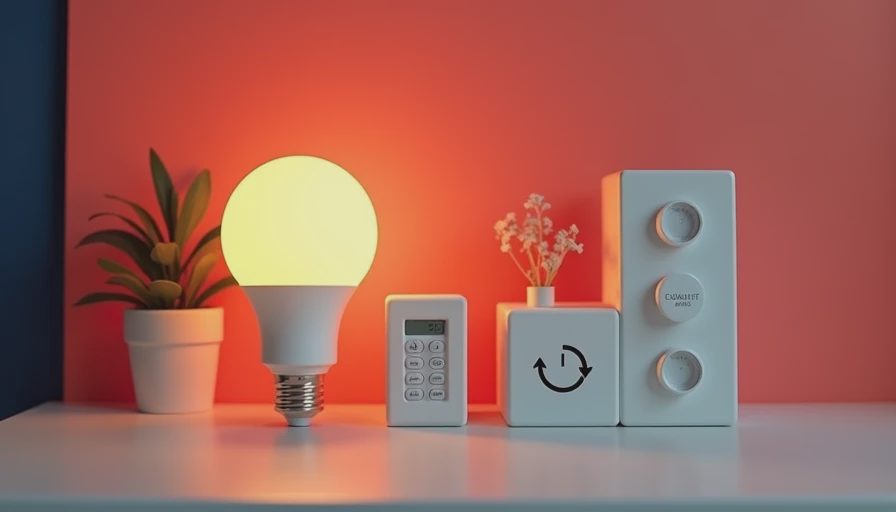
Not every LED dims smoothly. A lamp can flicker, buzz, drop out at low settings, or refuse to turn on if the dimmer is incompatible. When replacing incandescent lamps on a wall dimmer, choose a product labeled dimmable and verify that the dimmer manufacturer lists it as compatible when possible.
Smart lamps introduce another decision. A smart bulb needs continuous power, so putting it behind a traditional wall dimmer can create control problems. Use the smart system’s own controls instead, or install a compatible smart switch. Products from Philips Hue, GE Cync, and other established platforms differ in ecosystems, color controls, and hub requirements, so select based on how you actually plan to operate the room.
For a dining room, a smooth dimming LED can change the atmosphere from bright task lighting to a lower evening setting. For a hallway, a simple reliable lamp may be better than a connected product you rarely adjust. Good control is the one that gets used.
A practical buying plan for each room
Before buying energy efficient led light bulbs, walk through the home at night and write down the fixture, base, current bulb shape, and desired brightness. Photograph the label if the fixture has a wattage limit. Then decide on color temperature and CRI by room rather than choosing one bulb for the entire house.
For a living room, consider 2700K or 3000K, 800 lumens for a common table lamp, and CRI 90 when artwork or colorful upholstery is important. For a kitchen, use 3000K, higher lumens where you prepare food, and high CRI for accurate countertop colors. Bedrooms usually benefit from warm light and comfortable dimming. Garages and workshops can handle a cooler temperature, but glare control still matters.
Buy one or two lamps first and test them after dark. Place a sample in the actual fixture, observe the light on walls and faces, and compare it with nearby fixtures. A package can tell you technical facts, but the room tells you whether the light belongs there.
Why the energy savings matter
LEDs generally use much less electricity than comparable incandescent lamps and are often rated for roughly 15,000 to 25,000 hours, depending on the product and operating conditions. A lamp used three hours daily could remain in service for many years. Lower wattage also reduces heat released into the room, which is useful during long cooling seasons in places such as Houston.
The strongest result comes from combining efficient lamps with good design. Use enough light for the task, aim it where it is needed, and layer ambient, task, and accent lighting instead of over-lighting every surface. With that approach, energy efficient led light bulbs become part of a calmer, more useful home rather than simply a replacement item in a shopping cart.